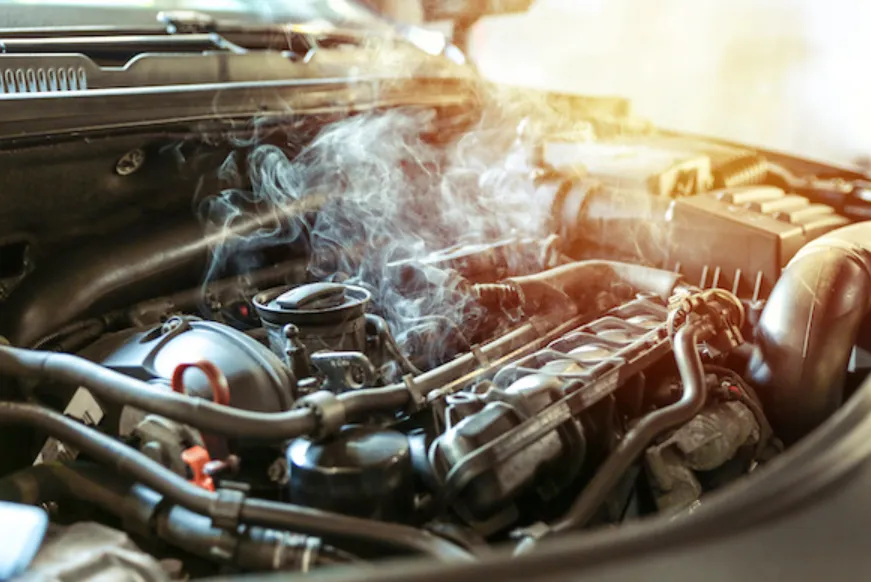
Summer heat can create serious pressure on any automobile, especially during long traffic delays and dry afternoon conditions. Many drivers focus on tires, brakes, and fuel economy, yet they overlook the cooling setup that protects the engine from excessive heat. Small warning signs may seem harmless at first, but they can lead to expensive mechanical trouble when ignored. Road conditions in Denver add extra strain during the hottest months of the year. This article explains several quiet clues that may signal hidden cooling trouble before complete failure occurs.
1. Weak Airflow From Cabin Vents
Cool air should move through the cabin without struggle, even on extremely hot days. When the vents release warm airflow or lose strength, the cooling setup may already face internal trouble. Many motorists assume the issue only affects cabin comfort, but deeper mechanical problems can also trigger this symptom.
Drivers searching for vehicle AC repair, like mini cooper ac repair in Denver, frequently notice this issue in the summer. Weak airflow may point toward coolant imbalance, blocked circulation, or pressure-related concerns within the system. A professional inspection can identify the source before the condition spreads to other engine components.
2. Quiet Leaks That Leave Small Clues
Coolant leaks rarely create large puddles initially. In most cases, the signs remain subtle and easy to ignore for several days. A sweet odor near the front section or visible residue around hoses may indicate escaping fluid.
Signs That Need Fast Attention
- Damp spots beneath the vehicle after parking
- White buildup around metal fittings or hoses
- Steam near the hood after long drives
- Repeated need for coolant refills
- Sharp odors from the engine compartment
3. Temperature Gauge Starts Rising in Denver Traffic
Heavy traffic creates additional heat beneath the hood, especially during long stops at crowded intersections. When the temperature gauge climbs above its normal range, the cooling setup may struggle to move fluid correctly. Some drivers ignore the issue because the gauge returns to normal after traffic clears.
This pattern should never remain unchecked in Denver, where hot pavement and dry air already increase strain on engine parts. A damaged thermostat, weak radiator fan, or restricted coolant passage may cause these temperature spikes. Timely repairs help maintain steady performance and reduce the risk of sudden breakdowns.
4. Unusual Sounds Coming From the Hood
Mechanical systems usually provide signs before complete failure occurs. Clicking, rattling, or scratching noises near the engine area may suggest cooling-related trouble. These sounds may become more noticeable after long trips or during periods of high heat.
A worn water pump can create noise as internal parts lose strength over time. Loose belts may also reduce proper coolant circulation and place more pressure on nearby components. Skilled technicians can inspect these areas carefully and restore smooth operation before the issue worsens.
5. Reduced Performance in Hot Weather
A vehicle that feels sluggish during acceleration or struggles in extreme heat may suffer from hidden cooling problems. Excessive engine temperature forces several components to work harder, which can reduce efficiency and affect overall driving quality. Fuel consumption may also increase because the engine attempts to handle the additional strain.
For instance, people who schedule mini cooper ac repair in Denver later discover connected issues inside the broader cooling network. A complete inspection helps locate weak parts before they create larger mechanical concerns. Reliable service also improves driving comfort during long summer trips across busy city roads.
Extreme summer temperatures can expose hidden cooling problems before major failure occurs. Small clues like weak airflow, rising temperatures, or strange odors deserve quick professional attention. Timely inspections help protect engine health, improve comfort, and support reliable performance in the hottest season.