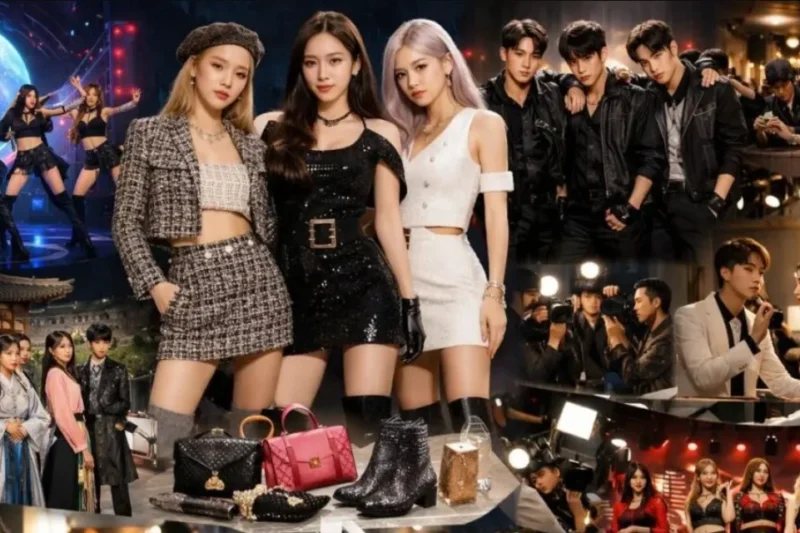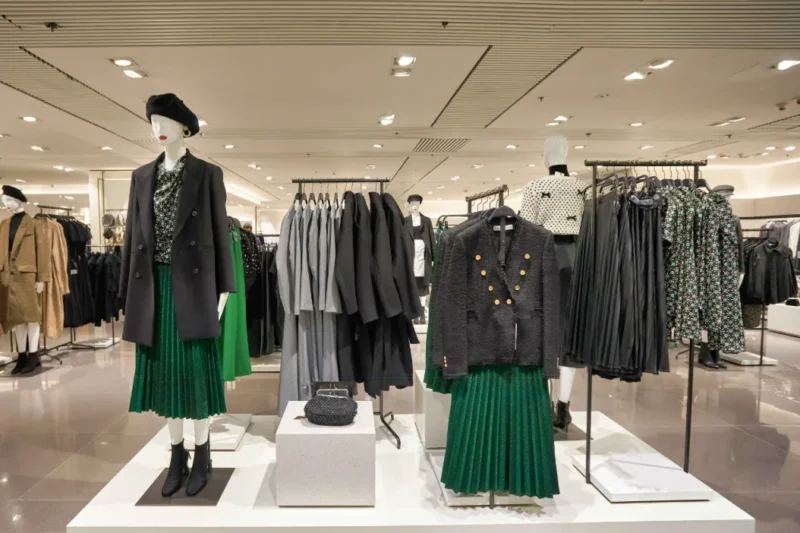
The fashion industry is one of the most competitive markets in the world. With thousands of brands competing for attention, businesses must go beyond creating stylish products and focus on effective marketing strategies that attract customers and increase sales. Modern consumers are influenced by social media, online reviews, influencer recommendations, and personalized shopping experiences. As a result, fashion brands need innovative marketing techniques to stand out from the competition.
Successful fashion marketing combines creativity, technology, and customer engagement. Whether a brand sells luxury apparel, streetwear, sustainable clothing, or fast fashion products, the right marketing approach can significantly improve visibility and revenue. From social media campaigns to influencer partnerships and personalized customer experiences, businesses have numerous opportunities to connect with their target audience.
In today’s digital-first world, fashion marketing is no longer limited to traditional advertising. Brands now use data-driven strategies, content marketing, and e-commerce optimization to reach potential buyers. Companies that understand consumer behavior and adapt to changing trends often achieve stronger customer loyalty and higher conversion rates.
This article explores the most effective fashion marketing strategies that drive sales and help brands build long-term success in an increasingly competitive marketplace.
Understanding Your Target Audience
One of the most important elements of fashion marketing is understanding the target audience. Brands that know their customers’ preferences, shopping habits, and lifestyle choices can create more effective campaigns.
To identify the ideal audience, fashion businesses should analyze factors such as:
- Age and gender
- Income level
- Geographic location
- Fashion preferences
- Shopping behavior
- Social media usage
Customer research helps brands develop products and marketing messages that resonate with consumers. By understanding what motivates purchasing decisions, businesses can create campaigns that generate stronger engagement and higher sales.
Leveraging Social Media Marketing
Social media platforms have become essential tools for fashion brands. Platforms such as Instagram, TikTok, Pinterest, and Facebook allow companies to showcase products visually and connect directly with consumers.
Effective social media marketing strategies include:
Creating High-Quality Visual Content
Fashion is a highly visual industry. Professional photography, videos, and lifestyle images help attract attention and showcase products effectively.
Posting Consistently
Regular posting keeps followers engaged and ensures the brand remains visible in crowded social media feeds.
Using Short-Form Video Content
Short videos on platforms like TikTok and Instagram Reels generate high engagement rates and help fashion brands reach new audiences.
Encouraging User-Generated Content
Customers who share photos wearing a brand’s products provide authentic social proof that influences purchasing decisions.
A strong social media presence can significantly boost brand awareness and increase online sales.
Influencer Marketing for Fashion Brands
Influencer marketing remains one of the most powerful strategies in the fashion industry. Consumers often trust recommendations from influencers more than traditional advertisements.
Fashion brands can collaborate with:
- Micro-influencers
- Fashion bloggers
- Lifestyle creators
- Celebrity influencers
- Industry experts
Micro-influencers often provide higher engagement rates because their audiences view them as more relatable and trustworthy.
When selecting influencers, brands should focus on audience alignment rather than follower count alone. An influencer whose followers match the brand’s target demographic is more likely to drive meaningful sales results.
Building a Strong Brand Identity
A recognizable brand identity helps fashion businesses differentiate themselves from competitors.
Key elements of a strong fashion brand include:
- Unique logo and visual design
- Consistent brand messaging
- Distinctive brand voice
- Clear mission and values
- Memorable customer experience
Consumers are more likely to purchase from brands they recognize and trust. Consistency across websites, social media channels, packaging, and advertising strengthens brand recognition and loyalty.
Fashion companies that establish a strong identity often enjoy higher customer retention rates and increased lifetime value.
Optimizing E-Commerce Websites
A fashion brand’s website plays a critical role in converting visitors into customers.
Important website optimization strategies include:
Fast Loading Speed
Slow websites can lead to higher bounce rates and lost sales opportunities.
Mobile-Friendly Design
Since many fashion shoppers browse on smartphones, responsive design is essential.
High-Quality Product Images
Detailed product photos help customers make confident purchasing decisions.
Easy Navigation
Customers should be able to find products quickly through intuitive menus and search functions.
Simple Checkout Process
Reducing checkout steps minimizes cart abandonment and improves conversion rates.
An optimized e-commerce experience directly contributes to increased sales and customer satisfaction.
Using Email Marketing Effectively
Email marketing remains one of the highest-performing digital marketing channels for fashion brands.
Successful email campaigns can include:
- New product announcements
- Seasonal collections
- Exclusive discounts
- Personalized recommendations
- Cart abandonment reminders
- Loyalty program updates
Personalization is especially important. Customers are more likely to engage with emails tailored to their interests and shopping history.
Segmenting email lists based on customer behavior allows brands to deliver more relevant content and improve conversion rates.
Implementing Content Marketing Strategies
Content marketing helps fashion brands educate, inspire, and engage potential customers.
Popular content formats include:
Fashion Blogs
Articles covering style tips, trends, and wardrobe advice can attract organic traffic through search engines.
Video Tutorials
Fashion styling videos help consumers visualize products and understand how to wear them.
Trend Reports
Sharing industry insights positions brands as trusted authorities.
Behind-the-Scenes Content
Showing the design and production process creates transparency and strengthens customer trust.
High-quality content not only improves SEO performance but also nurtures customer relationships over time.
Leveraging Search Engine Optimization (SEO)
SEO is crucial for driving long-term organic traffic to fashion websites.
Effective fashion SEO strategies include:
- Keyword optimization
- Product page optimization
- Image SEO
- Internal linking
- Mobile optimization
- High-quality content creation
When consumers search for clothing, accessories, or fashion advice, optimized websites have a better chance of appearing in search engine results.
Organic traffic often delivers highly qualified visitors who are actively interested in purchasing fashion products.
Creating Loyalty and Reward Programs
Customer retention is often more cost-effective than customer acquisition. Loyalty programs encourage repeat purchases and strengthen customer relationships.
Popular loyalty incentives include:
- Points-based rewards
- Exclusive member discounts
- Early access to new collections
- Birthday gifts
- VIP shopping experiences
Reward programs help customers feel valued while motivating them to continue shopping with the brand.
Fashion companies with strong loyalty initiatives often experience higher customer lifetime value and increased revenue.
Utilizing Data and Analytics
Modern fashion marketing relies heavily on data-driven decision-making.
Businesses should regularly monitor:
- Website traffic
- Conversion rates
- Customer acquisition costs
- Email performance
- Social media engagement
- Return on advertising spend
Analytics help marketers identify which campaigns generate the best results and where improvements are needed.
By continuously analyzing performance metrics, fashion brands can optimize marketing budgets and maximize profitability.
Embracing Sustainability Marketing
Consumers increasingly prefer brands that demonstrate environmental and social responsibility.
Fashion businesses can highlight:
- Sustainable materials
- Ethical manufacturing
- Eco-friendly packaging
- Carbon reduction initiatives
- Fair labor practices
Authentic sustainability messaging can strengthen brand reputation and attract environmentally conscious shoppers.
However, transparency is essential. Customers value genuine commitments rather than marketing claims without supporting actions.
Conclusion
Fashion marketing continues to evolve as consumer behavior and digital technologies change. Brands that successfully combine social media marketing, influencer partnerships, SEO, content creation, email campaigns, and personalized customer experiences are better positioned to increase sales and build lasting customer relationships.
Understanding the target audience remains the foundation of every successful marketing strategy. By leveraging data, optimizing e-commerce experiences, and creating meaningful customer connections, fashion businesses can stand out in a crowded marketplace.
As competition grows, fashion brands that embrace innovation, authenticity, and customer-focused marketing will continue to thrive. Implementing these proven fashion marketing strategies can help businesses drive sales, strengthen brand loyalty, and achieve sustainable long-term growth.
Also Read About: The Role of Streaming Services in Music Discovery