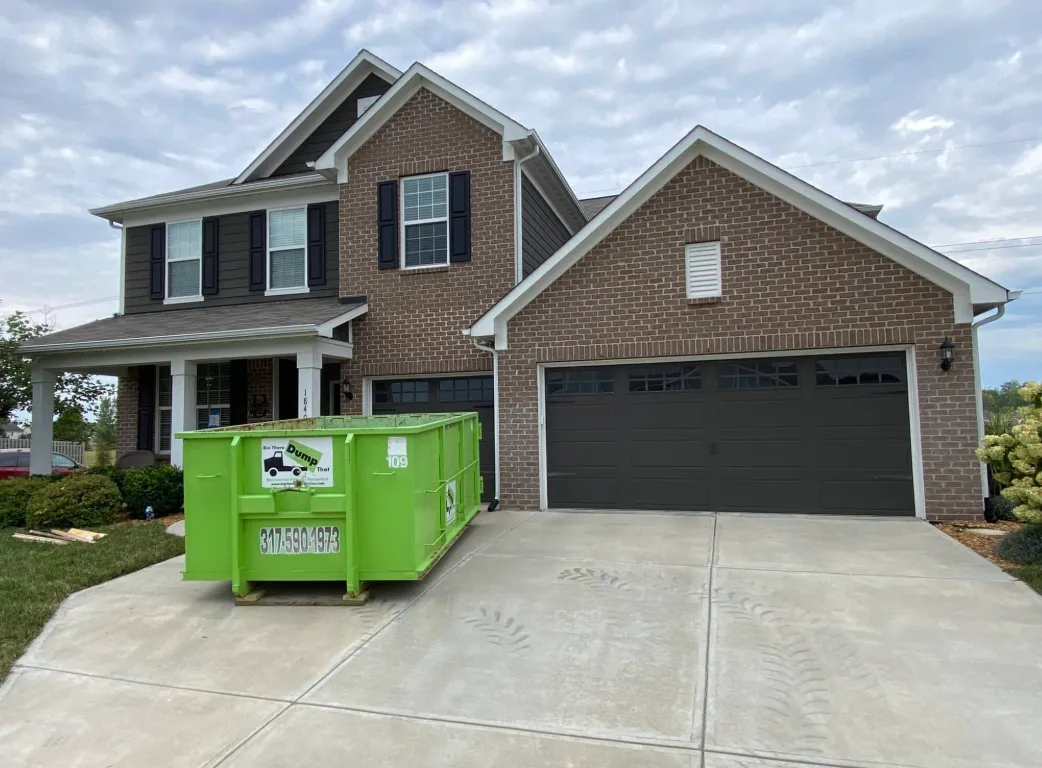
Estate cleanouts and property transitions can be emotionally and physically demanding for homeowners and families. Whether a property is being prepared for sale, transferred after a loved one passes, cleared after a long-term tenant leaves, or reorganized before a major move, the amount of material inside the home can feel overwhelming. Furniture, clothing, storage boxes, outdated appliances, household goods, old documents, garage items, and years of accumulated belongings often need to be sorted, removed, donated, stored, or discarded.
A home dumpster rental can make this process more manageable by giving homeowners one central place to handle unwanted items and debris. Instead of relying on small trash cans, repeated disposal trips, or scattered piles throughout the property, families can work through the cleanout in a more organized way. When timing matters, especially during a real estate sale or ownership transition, a dumpster can help keep the project moving with less stress and better control.
Why Estate Cleanouts Create Unique Challenges
Estate cleanouts are different from ordinary decluttering projects because they often involve an entire household. A home may contain decades of belongings, including furniture, tools, holiday decorations, paperwork, old electronics, clothing, kitchenware, books, outdoor equipment, and miscellaneous storage items. Basements, attics, garages, sheds, closets, and spare rooms can all hold materials that need to be reviewed.
The process can also be emotionally difficult. Families may need time to decide what to keep, what to pass along, and what no longer has a practical purpose. At the same time, there may be deadlines tied to selling the home, preparing it for inspection, transferring ownership, or completing repairs.
A dumpster does not remove the need for careful sorting, but it helps simplify the disposal side of the project.
Creating a Clear Cleanup Plan
Before ordering a dumpster, homeowners should walk through the property and identify the areas that need the most attention. A room-by-room plan helps prevent the cleanout from becoming scattered or disorganized. It also makes it easier to estimate how much waste the project may generate.
Families may choose to sort belongings into categories such as keep, donate, sell, store, and discard. Once those decisions are made, the dumpster can be used for the items that clearly need to be removed from the property. This keeps the disposal process separate from sentimental or valuable items that require more careful handling.
A structured plan helps homeowners make steady progress without feeling like the entire house must be handled at once.
Reducing Repeated Trips and Extra Labor
Without a dumpster, estate cleanouts often require repeated trips to disposal facilities. Each trip involves loading, driving, unloading, and returning to the property, which can consume entire days during a large cleanout. This approach may work for a small room, but it becomes inefficient when multiple areas of the home need to be cleared.
A dumpster allows homeowners to remove unwanted items as they work. Instead of stopping every few hours to haul materials away, families can continue sorting and clearing the property. This is especially helpful when several people are working together over a weekend or when contractors are also preparing the home for repairs.
Fewer disposal trips can make the entire transition feel more organized and less exhausting.
Supporting Real Estate Timelines
Property transitions often come with deadlines. A home may need to be listed for sale, photographed, shown to buyers, inspected, cleaned, repaired, or turned over to a new owner. Delays in clearing out the property can affect every step that follows.
A home dumpster rental helps homeowners move faster through the cleanup phase. Once unwanted items are removed, the home is easier to evaluate and prepare. Real estate agents, inspectors, cleaners, painters, flooring contractors, and repair crews can work more efficiently when rooms, garages, and storage areas are no longer crowded with belongings.
Working with providers such as Waste Removal USA can help homeowners coordinate dumpster rental options that support estate cleanouts, home sale preparation, and property transition projects. Having disposal planned early can prevent cleanup from becoming the part of the process that holds everything else back.
Clearing Storage Areas First
Storage areas often contain the most forgotten belongings. Garages, attics, basements, sheds, and utility rooms may be packed with boxes, old tools, broken items, unused furniture, and materials that have not been touched in years. These areas can take longer than expected because every box or shelf may require a decision.
Starting with storage areas can help create more usable space for the rest of the cleanout. Once clutter is removed from the garage or basement, those areas can temporarily hold items being kept, donated, or staged for sale. A dumpster nearby makes it easier to dispose of damaged, outdated, or unusable items during this first phase.
Clearing storage spaces early also gives homeowners a better sense of the overall project size.
Managing Large and Bulky Items
Estate cleanouts often involve bulky items that are difficult to remove through normal trash collection. Old mattresses, sofas, tables, chairs, cabinets, shelving, rugs, and broken household goods can take up too much room in standard trash bins. These items can also block pathways and make it harder to continue working through the property.
A dumpster gives homeowners a practical place to remove bulky materials as they are cleared. This helps open up rooms and makes the house easier to navigate. Large items should still be loaded carefully so the container space is used efficiently and the load remains manageable.
Removing bulky items early can make the rest of the cleanout feel much less overwhelming.
Preparing the Home for Repairs and Updates
Many estate properties or transition homes need repairs before they can be sold or occupied again. Once the cleanout is underway, homeowners may discover damaged flooring, outdated fixtures, stained carpet, old cabinets, or areas that need painting and patching. These updates can create additional debris beyond the household items being removed.
A dumpster can support both the cleanout and the light renovation work that follows. Old carpet, trim, cabinetry, fixtures, damaged materials, and packaging from new supplies can all add to the waste stream. Planning for this second phase helps homeowners avoid ordering disposal help twice or letting repair debris pile up after the cleanout is complete.
Property transitions are often smoother when cleanup and repair planning are connected.
Keeping the Property Safer and More Organized
A cluttered home can be difficult to move through, especially when multiple people are sorting, carrying items, and moving furniture. Boxes, loose items, broken materials, and stacked furniture can create obstacles in hallways, stairways, garages, and exterior paths. Keeping debris contained helps reduce clutter throughout the property.
A dumpster encourages steady cleanup instead of creating piles in every room. As unwanted items are removed, pathways become clearer and work areas become easier to manage. This can be especially important when older family members, real estate professionals, contractors, or buyers need to access the property during the transition.
An organized cleanout is easier to manage and easier to complete.
Coordinating Family Members and Helpers
Estate cleanouts often involve several people. Family members may arrive at different times, friends may help for a weekend, or contractors may be working on the property while sorting is still underway. Clear organization helps everyone understand what should stay and what should go.
Homeowners can make the process easier by labeling areas or setting rules before work begins. Items to keep should be separated from items being discarded. The dumpster should be used only for materials that have already been approved for disposal, especially when sentimental or important belongings may still be in the home.
Good communication prevents mistakes and helps the cleanout move faster.
Understanding What Should Not Go in the Dumpster
Before loading begins, homeowners should confirm what materials are allowed. Some items may require special handling depending on local requirements or disposal rules. Paint, chemicals, batteries, tires, electronics, certain appliances, and hazardous materials may not belong in a standard dumpster.
Identifying these items during the sorting process helps prevent problems later. Homeowners can set them aside for proper handling instead of mixing them with general household debris. This keeps the dumpster rental process smoother and avoids unnecessary complications.
Asking questions early is better than discovering restrictions after the container is already being loaded.
Avoiding Common Estate Cleanout Mistakes
One common mistake is underestimating how much material is inside the home. Closets, cabinets, sheds, and attics can add significant volume, even when the main living areas seem manageable. Another mistake is waiting too long to arrange disposal, which can leave families surrounded by piles of unwanted items.
Some homeowners also try to do too much at once without a sorting system. This can lead to confusion, duplicate work, or accidental disposal of items that should have been saved. A slower, room-by-room process is often more effective than pulling everything out at the same time.
The best cleanouts combine thoughtful sorting with practical disposal planning.
Making the Transition Feel More Manageable
Estate cleanouts and property transitions can feel heavy because they often combine logistics, deadlines, family decisions, and emotional history. A dumpster cannot solve every challenge, but it can make one major part of the process simpler. Having a clear place for unwanted materials allows homeowners to see progress as each room opens up.
That visible progress can be encouraging. A cleared garage, empty basement, or open living room helps families feel like the transition is moving forward. It also makes the home easier to clean, repair, stage, sell, or prepare for its next occupant.
A well-planned dumpster rental supports both the practical and emotional sides of the process.
Home dumpster rentals simplify estate cleanouts and property transitions by giving homeowners a central, efficient way to remove unwanted items and debris. Instead of relying on small trash bins or repeated disposal trips, families can work through the property in stages and keep the cleanout better organized.
By planning the project room by room, clearing storage areas early, managing bulky items, preparing for repairs, and understanding disposal guidelines, homeowners can reduce stress and keep the transition moving. Whether the goal is selling a home, settling an estate, preparing a rental property, or helping a family member move, a dumpster rental can make the cleanup process more efficient, organized, and manageable from start to finish.