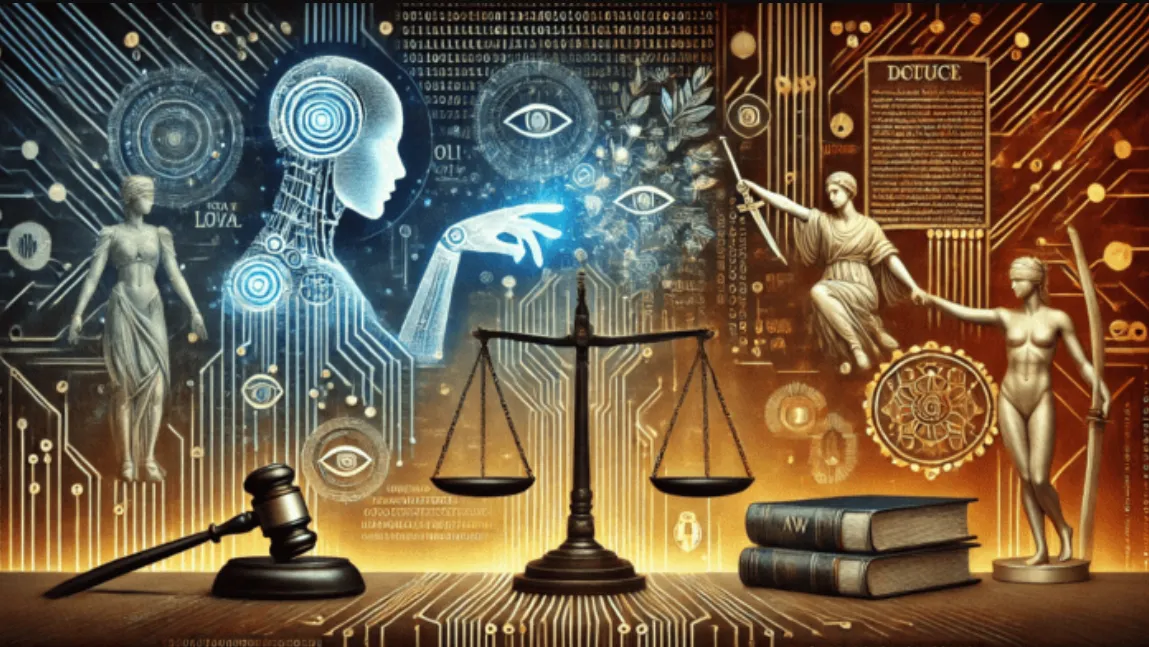
Artificial Intelligence (AI) has transformed the way businesses, governments, and individuals interact with technology. From virtual assistants and automated customer service systems to self-driving vehicles and advanced medical diagnostics, AI is becoming an integral part of modern society. While AI offers remarkable benefits in terms of efficiency, innovation, and productivity, it also raises significant legal concerns that governments and organizations must address.
As AI systems become more sophisticated, questions surrounding accountability, privacy, intellectual property, discrimination, and regulatory compliance continue to emerge. Legal frameworks around the world are evolving to keep pace with rapid technological advancements, ensuring that AI is used responsibly and ethically.
This article explores the major legal implications of artificial intelligence, the challenges faced by lawmakers, and the future of AI regulation.
Understanding Artificial Intelligence and the Law
Artificial Intelligence refers to computer systems capable of performing tasks that typically require human intelligence, such as learning, reasoning, decision-making, and problem-solving. These systems often rely on vast amounts of data and machine learning algorithms to improve their performance over time.
The legal implications of AI arise because traditional laws were designed for human actions and decisions. When an AI system makes a mistake, causes harm, or violates rights, determining liability becomes complicated. This creates challenges for courts, regulators, businesses, and consumers alike.
Legal systems worldwide are now examining how existing laws apply to AI and whether new regulations are necessary to address unique technological risks.
Liability and Accountability Issues
One of the most significant legal concerns surrounding AI is determining who is responsible when an AI system causes harm.
For example, if a self-driving car causes an accident, liability may fall on:
- The vehicle manufacturer
- The software developer
- The vehicle owner
- The data provider
- Multiple parties involved in development
Traditional negligence laws often require proving that a person acted carelessly. However, AI systems can make autonomous decisions without direct human intervention, making it difficult to assign fault.
Businesses deploying AI solutions must establish clear accountability frameworks and maintain oversight mechanisms to reduce legal risks and ensure compliance with applicable laws.
Data Privacy and Protection
AI systems depend heavily on data collection and analysis. As a result, privacy concerns have become one of the most important legal issues in AI regulation.
Organizations often gather personal information such as:
- Names and addresses
- Financial records
- Medical histories
- Online behavior
- Biometric data
Improper use of this information can lead to privacy violations and legal consequences.
Several jurisdictions have enacted strict data protection laws, including:
- General Data Protection Regulation (GDPR) in Europe
- California Consumer Privacy Act (CCPA)
- Various national privacy regulations worldwide
Companies using AI must ensure transparency regarding data collection, obtain appropriate consent, and implement strong cybersecurity measures to protect user information.
Failure to comply with privacy laws can result in substantial fines, lawsuits, and reputational damage.
Intellectual Property Challenges
Artificial Intelligence is creating new questions regarding intellectual property rights.
Traditionally, copyright laws protect creative works produced by human authors. However, AI systems can now generate:
- Articles
- Music
- Artwork
- Software code
- Videos
This raises important legal questions:
- Who owns AI-generated content?
- Can AI be considered an inventor?
- Are training datasets protected by copyright?
- Does using copyrighted material for AI training constitute infringement?
Courts and lawmakers are actively debating these issues. Some jurisdictions require human involvement for copyright protection, while others are exploring new legal frameworks for AI-generated works.
Businesses utilizing AI-generated content should carefully review intellectual property laws to avoid infringement claims and ownership disputes.
Discrimination and Algorithmic Bias
AI systems can unintentionally produce discriminatory outcomes if they are trained on biased datasets.
Examples include:
- Hiring algorithms favoring certain demographic groups
- Loan approval systems discriminating against minorities
- Facial recognition tools exhibiting racial bias
- Predictive policing systems disproportionately targeting communities
Such outcomes may violate anti-discrimination laws and civil rights protections.
Organizations deploying AI technologies must regularly audit algorithms, monitor outcomes, and ensure fairness in decision-making processes. Failure to address algorithmic bias can result in legal liability, regulatory investigations, and public criticism.
Governments increasingly require companies to demonstrate transparency and fairness in AI-driven decisions.
Employment Law and Workplace Automation
AI is transforming workplaces by automating repetitive tasks and enhancing operational efficiency. While this can improve productivity, it also raises legal concerns regarding employment rights.
Key legal issues include:
Employee Monitoring
AI-powered monitoring tools can track employee activities, productivity, and communications. Excessive surveillance may violate privacy rights and labor regulations.
Workplace Discrimination
Automated hiring and performance evaluation systems may unintentionally discriminate against certain groups, creating legal exposure for employers.
Job Displacement
As AI replaces some traditional roles, policymakers face challenges in balancing technological advancement with worker protections and economic stability.
Employers must ensure that AI-driven workplace practices comply with labor laws and respect employee rights.
Consumer Protection Concerns
Consumers increasingly interact with AI through chatbots, recommendation systems, and automated services.
Legal issues arise when AI systems:
- Provide misleading information
- Make inaccurate recommendations
- Engage in deceptive marketing practices
- Cause financial losses to consumers
Consumer protection laws require businesses to provide accurate information and avoid unfair practices. Organizations using AI must ensure that automated systems meet legal standards and do not harm consumers.
Transparency is particularly important when users interact with AI-generated content or automated decision-making systems.
Cybersecurity and AI Risks
AI can strengthen cybersecurity defenses, but it can also create new threats.
Cybercriminals may use AI to:
- Generate sophisticated phishing attacks
- Create deepfake content
- Automate hacking attempts
- Exploit software vulnerabilities
Organizations using AI must implement robust security measures to protect systems and sensitive information.
Failure to maintain adequate cybersecurity safeguards can lead to legal consequences, especially when data breaches expose personal information.
Regulatory authorities increasingly require businesses to demonstrate strong cybersecurity practices when deploying AI technologies.
Regulatory Developments Around the World
Governments worldwide are developing AI-specific regulations to address emerging legal challenges.
Current regulatory trends include:
European Union
The EU has introduced comprehensive AI legislation focused on risk-based regulation, transparency requirements, and protection of fundamental rights.
United States
The U.S. continues to develop AI governance through agency guidance, executive actions, and state-level regulations.
Asia-Pacific Region
Countries such as Japan, Singapore, South Korea, and China are actively establishing AI governance frameworks to balance innovation with public protection.
As AI adoption expands globally, international cooperation may become necessary to establish consistent legal standards.
Ethical Considerations and Legal Compliance
Although ethics and law are not identical, they are closely connected in AI governance.
Organizations should prioritize:
- Transparency
- Accountability
- Fairness
- Explainability
- Human oversight
- Privacy protection
Ethical AI practices can reduce legal risks while building public trust and regulatory confidence.
Businesses that proactively address ethical concerns are often better positioned to comply with future legal requirements.
The Future of AI Law
Artificial Intelligence will continue to reshape industries and societies. As technology evolves, legal systems must adapt to address new challenges and opportunities.
Future AI laws are likely to focus on:
- Clear liability standards
- Enhanced privacy protections
- Algorithmic transparency
- Intellectual property reforms
- International regulatory cooperation
- Human rights safeguards
Lawmakers face the difficult task of encouraging innovation while protecting individuals, businesses, and society from potential harms.
Conclusion
The legal implications of artificial intelligence are complex and far-reaching. Issues involving liability, privacy, intellectual property, discrimination, employment, consumer protection, and cybersecurity require careful legal consideration. As AI technologies become more powerful and widespread, governments and organizations must develop effective regulatory frameworks that promote innovation while safeguarding public interests.
Businesses adopting AI should remain informed about evolving laws, implement strong compliance measures, and prioritize ethical practices. By addressing legal challenges proactively, organizations can leverage the benefits of AI while minimizing risks and ensuring responsible technological advancement in the years ahead.
Also Read About: Remote Work and Employment Law Challenges