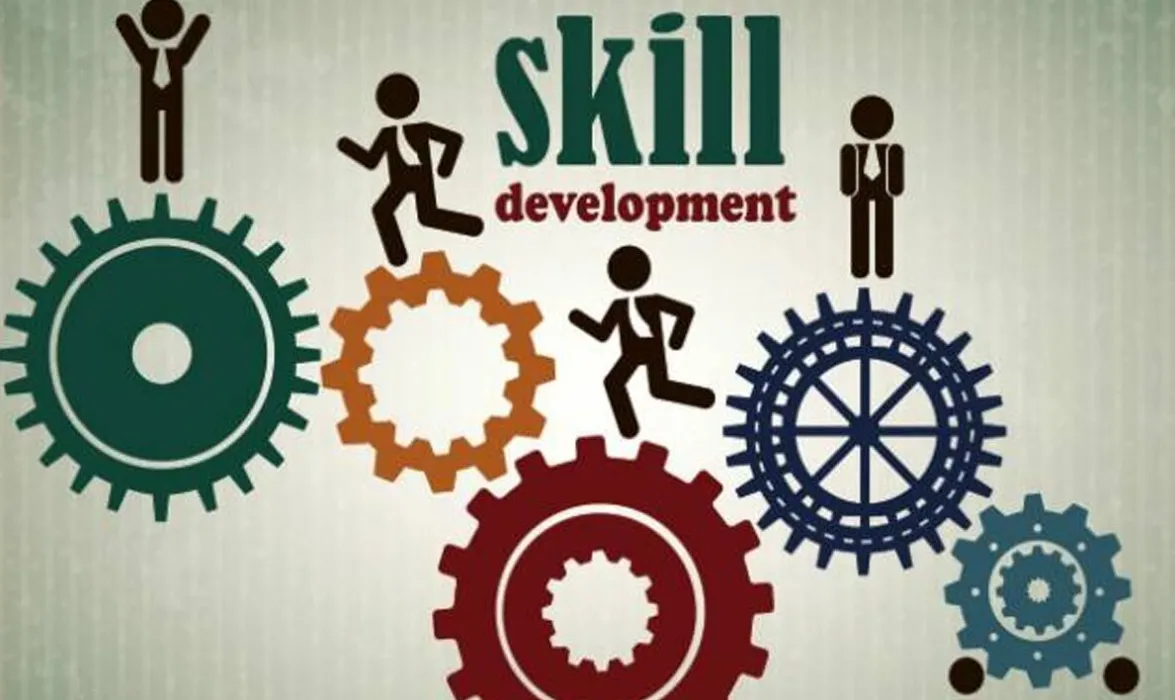
Education is evolving rapidly in response to the changing demands of the modern world. Traditional learning methods have long focused on memorization, standardized testing, and theoretical knowledge. While these elements remain important, employers and industries increasingly seek individuals who can apply knowledge in real-world situations. This shift has given rise to skills-based learning, a modern educational approach that prioritizes practical abilities, critical thinking, and hands-on experience.
Skills-based learning is transforming classrooms, workplaces, and training programs worldwide. Instead of simply teaching students what to know, this approach emphasizes what students can do with what they know. By focusing on relevant skills such as communication, problem-solving, collaboration, digital literacy, and adaptability, learners become better prepared for academic success and future careers.
As technology continues to reshape industries and create new job opportunities, the demand for skilled professionals is growing. Educational institutions are recognizing the need to bridge the gap between classroom learning and workplace expectations. Skills-based learning offers a solution by providing learners with practical competencies that are directly applicable in real-life situations.
This innovative approach is gaining popularity among educators, employers, and policymakers because it aligns education with the realities of the modern workforce. It empowers students to become active participants in their learning journey while developing the confidence and expertise needed to thrive in a competitive world.
What Is Skills-Based Learning?
Skills-based learning is an educational methodology that focuses on developing specific competencies rather than solely acquiring theoretical knowledge. It encourages learners to apply concepts through practical activities, projects, simulations, and real-world experiences.
Unlike traditional education models that often prioritize grades and examinations, skills-based learning measures success through demonstrated abilities and performance. Students are encouraged to solve problems, collaborate with others, think critically, and communicate effectively.
Key characteristics of skills-based learning include:
- Practical application of knowledge
- Real-world problem-solving activities
- Project-based assignments
- Hands-on learning experiences
- Continuous feedback and improvement
- Development of transferable skills
- Personalized learning pathways
This approach ensures that students gain both academic knowledge and practical skills that can be used throughout their personal and professional lives.
Why Skills-Based Learning Is Becoming Popular
The growing popularity of skills-based learning is largely driven by changes in the global job market. Employers increasingly value skills and competencies over traditional qualifications alone.
Several factors contributing to this trend include:
1. Rapid Technological Advancement
Technology is transforming industries at an unprecedented pace. New tools, platforms, and technologies require workers to continuously update their skills. Skills-based learning helps learners stay relevant by focusing on adaptability and lifelong learning.
2. Changing Workforce Demands
Modern employers seek candidates who can solve problems, communicate effectively, and work collaboratively. These abilities often have a greater impact on workplace success than theoretical knowledge alone.
3. Increased Focus on Employability
Educational institutions are under pressure to improve graduate employability. Skills-based programs provide students with practical experience that makes them more attractive to employers.
4. Personalized Education
Every student learns differently. Skills-based learning allows individuals to progress at their own pace while focusing on areas where they need improvement.
Key Benefits of Skills-Based Learning
Enhanced Career Readiness
One of the most significant advantages of skills-based learning is its ability to prepare students for real-world careers. Learners develop practical competencies that align with industry requirements, making the transition from education to employment smoother.
Improved Critical Thinking
Skills-based learning encourages students to analyze situations, evaluate information, and make informed decisions. These critical thinking abilities are valuable in both academic and professional settings.
Greater Student Engagement
Hands-on activities and interactive projects often increase student motivation and participation. Learners become active contributors rather than passive recipients of information.
Better Knowledge Retention
Research suggests that people remember information more effectively when they actively apply it. Skills-based learning reinforces understanding through practical experience and repetition.
Increased Confidence
As students successfully demonstrate their skills, they gain confidence in their abilities. This self-assurance can positively impact academic performance, career development, and personal growth.
Essential Skills Developed Through Skills-Based Learning
Skills-based education focuses on a wide range of competencies that are valuable across multiple industries and professions.
Communication Skills
Students learn how to express ideas clearly, present information effectively, and collaborate with others. Strong communication skills are essential in nearly every career field.
Problem-Solving Skills
Real-world challenges encourage learners to identify issues, develop solutions, and evaluate outcomes. These skills are highly valued by employers.
Digital Literacy
As technology becomes increasingly integrated into daily life, digital literacy is a critical skill. Students learn how to use digital tools, analyze data, and navigate online environments effectively.
Teamwork and Collaboration
Group projects and collaborative assignments help learners develop interpersonal skills and the ability to work effectively with diverse teams.
Adaptability
The ability to adjust to changing circumstances is becoming increasingly important. Skills-based learning helps students become flexible and resilient in dynamic environments.
Leadership Skills
Many programs incorporate leadership opportunities that allow students to take initiative, manage projects, and guide team efforts.
Skills-Based Learning in the Classroom
Educational institutions are implementing skills-based learning through various innovative teaching methods.
Project-Based Learning
Students work on complex projects that require research, planning, collaboration, and problem-solving. These projects often mirror real-world scenarios.
Experiential Learning
Hands-on experiences such as internships, fieldwork, and simulations provide opportunities to apply knowledge in practical settings.
Competency-Based Education
Students advance based on their ability to demonstrate mastery of specific skills rather than simply completing coursework or spending a predetermined amount of time in class.
Collaborative Learning
Group activities encourage teamwork, communication, and shared responsibility for learning outcomes.
Challenges of Skills-Based Learning
Despite its many advantages, skills-based learning also presents certain challenges.
Assessment Difficulties
Measuring skills can be more complex than grading traditional exams. Educators must develop reliable methods for evaluating practical competencies.
Resource Requirements
Hands-on learning often requires additional resources, technology, and training for teachers.
Curriculum Adaptation
Schools may need to redesign curricula to incorporate skills-focused learning objectives and assessment methods.
Teacher Preparation
Educators must be trained to facilitate experiential and project-based learning effectively.
The Future of Education
The future of education is increasingly centered around developing practical skills that prepare learners for lifelong success. As industries continue to evolve, educational systems must adapt to meet emerging workforce demands.
Artificial intelligence, automation, and digital transformation are changing the nature of work. Skills such as creativity, critical thinking, emotional intelligence, and adaptability will become even more important in the coming years.
Skills-based learning represents a forward-thinking approach that aligns education with real-world needs. By focusing on competencies rather than memorization alone, learners gain the tools necessary to succeed in a rapidly changing global economy.
Conclusion
Skills-based learning is reshaping education by emphasizing practical abilities, real-world application, and lifelong learning. This innovative approach helps students develop essential competencies such as communication, problem-solving, collaboration, and adaptability. As the workforce continues to evolve, the importance of these skills will only increase.
By bridging the gap between classroom learning and professional success, skills-based learning prepares individuals to thrive in a competitive and technology-driven world. Educational institutions that embrace this approach can empower students with the knowledge, confidence, and practical expertise needed for future success. As a result, skills-based learning is becoming a cornerstone of modern education and a powerful tool for building a skilled and adaptable workforce.
Also Read About: Career Opportunities Created by Emerging Technologies