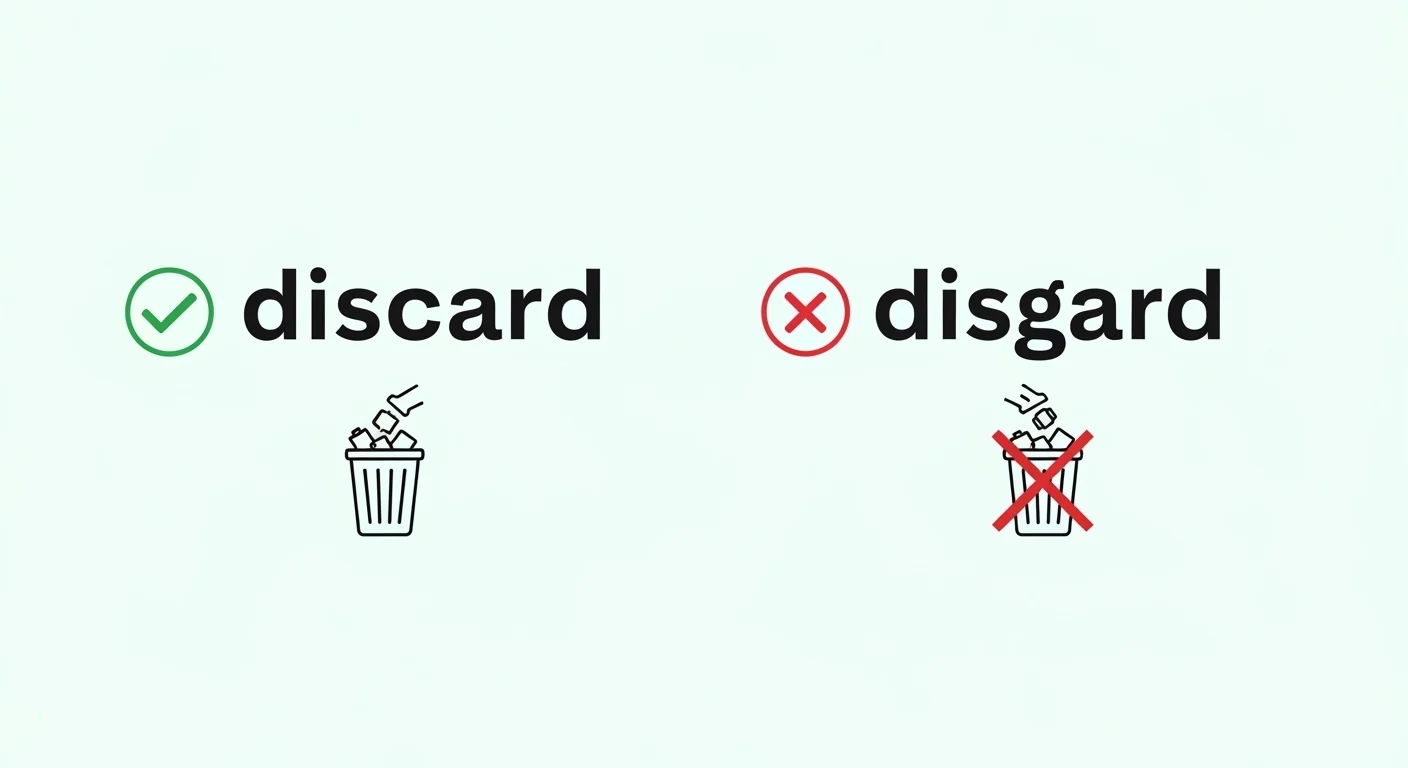
“Wholistic” and “holistic” look very similar, and both seem connected to the word “whole.” Because of this, many learners feel unsure which spelling is correct.
You may even see both forms in books, websites, or conversations, which makes the confusion stronger.
The good news is that the difference is simple once you understand it.
Quick Answer
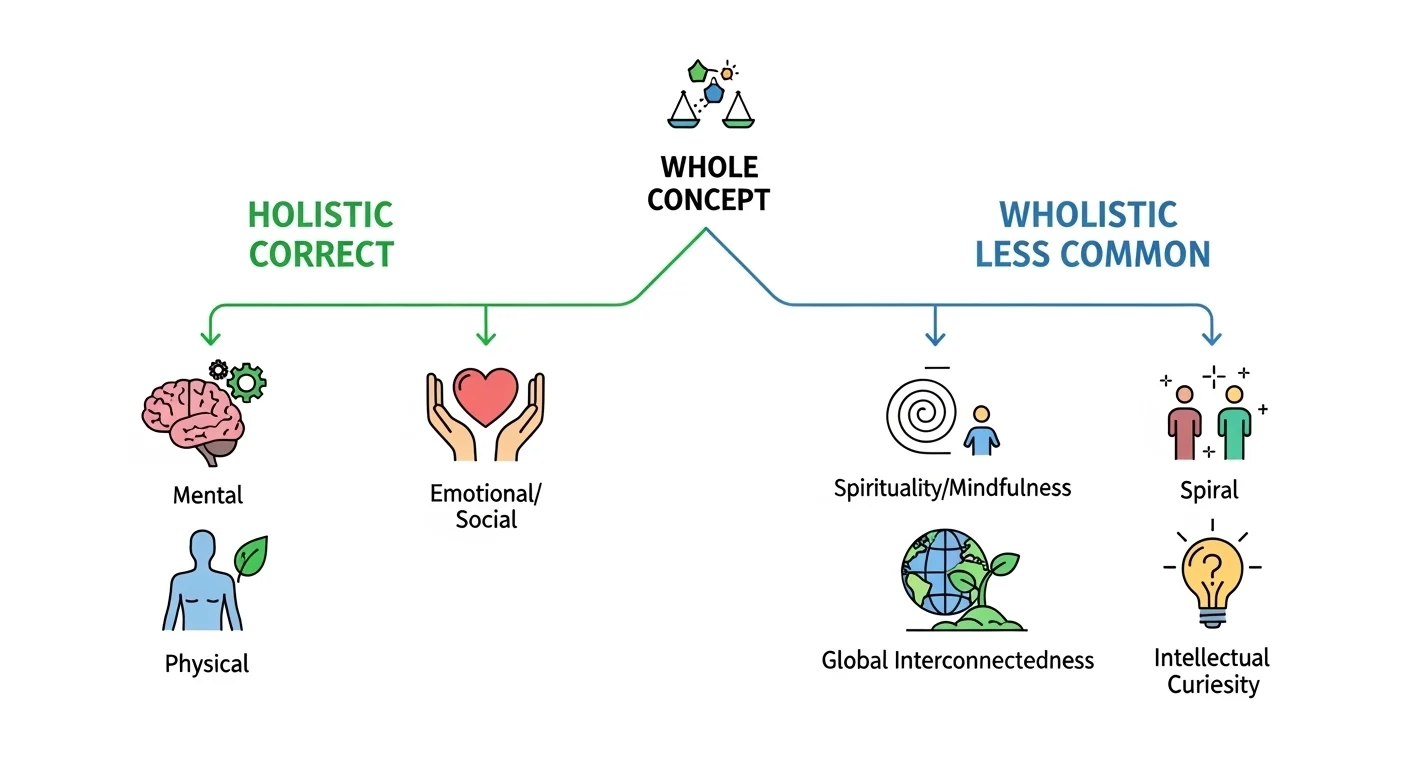
- “Holistic” is the correct and standard spelling
- “Wholistic” is a less common variant
- Both relate to the idea of “whole” or “complete”
- Always use “holistic” for correct and clear writing
Simple Background Explanation
The word “holistic” comes from the idea of “whole,” meaning something complete or all parts together.
It became popular in fields like health, education, and thinking styles, where people focus on the full picture instead of just one part.
The spelling “wholistic” appeared later because people connected the word more directly to “whole.” However, it is not the standard form.
Clear Explanation of the Difference
Let’s make it simple.
“Holistic”
This is the correct and widely accepted word. It means looking at the whole system, not just parts.
Examples:
- She takes a holistic approach to health.
- The teacher uses holistic learning methods.
“Wholistic”
This is a less common spelling. It has the same meaning but is not standard.
Example:
- She uses a wholistic approach ❌ not recommended
So the difference is mainly about standard usage.
Comparison Table
| Word | Correct or Not | Meaning | Should You Use It |
|---|---|---|---|
| Holistic | Correct and standard | Focus on the whole system | Yes |
| Wholistic | Less common variant | Same meaning | Better avoid |
What “Holistic” Means
“Holistic” means thinking about the whole instead of just one part.
It is often used in:
- Health and wellness
- Education
- Problem solving
- Personal development
Examples:
- A holistic doctor looks at the whole body.
- Holistic education focuses on the full development of a student.
When to Use “Holistic”
Use “holistic” when you want to describe:
- A complete approach
- A full system
- A big picture view
Examples:
- We need a holistic solution.
- She follows a holistic lifestyle.
- The plan takes a holistic view of the problem.
Avoid using “wholistic” in formal or correct writing.
Why People Get Confused
Here are the main reasons:
Connection to “whole”
People think the word should start with “whole.”
Seeing both spellings
Some sources use “wholistic.”
Sound similarity
Both words sound almost the same.
Spelling guess
People try to match meaning with spelling.
Simple tip:
Even though it relates to “whole,” the correct word is “holistic.”
Common Mistakes to Avoid
Here are mistakes to watch for:
Using “wholistic” in formal writing
This may look incorrect.
Mixing both spellings
Choose one form and stay consistent.
Guessing based on meaning
Spelling does not always match logic.
Correct vs incorrect examples:
- A holistic approach ✔️
- A wholistic approach ❌
- Holistic care ✔️
- Wholistic care ❌
Everyday Real Life Examples
Here are simple examples from daily life.
In health:
- She prefers holistic treatment.
- Holistic care looks at mind and body.
In education:
- Schools use holistic learning.
- A holistic approach helps students grow.
In work:
- We need a holistic plan.
- The company uses holistic strategies.
In daily conversation:
- Think in a holistic way.
- Take a holistic view of life.
Easy Learning Section for Beginners
Here is a simple trick:
Even though the meaning is “whole,” the word starts with “holo”
Memory tip:
holo = whole idea
Practice sentences:
- This is a holistic approach
- She uses holistic methods
- We need holistic thinking
Mini exercise:
Fill in the blanks:
- We need a ______ solution
Answer: holistic - She follows a ______ lifestyle
Answer: holistic - This is a ______ approach
Answer: holistic
Avoid “wholistic”
Frequently Asked Questions
1. Is “wholistic” a real word
It exists, but it is not the standard form.
2. What is the correct spelling
The correct spelling is “holistic.”
3. What does “holistic” mean
It means focusing on the whole system.
4. Why do people use “wholistic”
Because they connect it to the word “whole.”
5. Can I use “wholistic” informally
You can, but it is better to use “holistic.”
6. Is this confusion common
Yes, many learners face this issue.
7. How can I remember the correct spelling
Remember the word starts with “holo.”
8. Will using “wholistic” affect my writing
Yes, it may look less correct or less standard.
Conclusion
The difference between “wholistic” and “holistic” is simple.
“Holistic” is the correct and widely accepted word.
“Wholistic” is a less common variant and should be avoided in proper writing.
Just remember:
The correct word is “holistic,” even though it means “whole.”
With this simple rule, you can use the right word confidently every time.