In today’s digital economy, data has become one of the most valuable assets for businesses of all sizes. Every customer interaction, website visit, purchase, and social media engagement generates data that can provide valuable insights into consumer behavior and business performance. Companies that effectively analyze and utilize this information gain a significant competitive advantage in their industries.
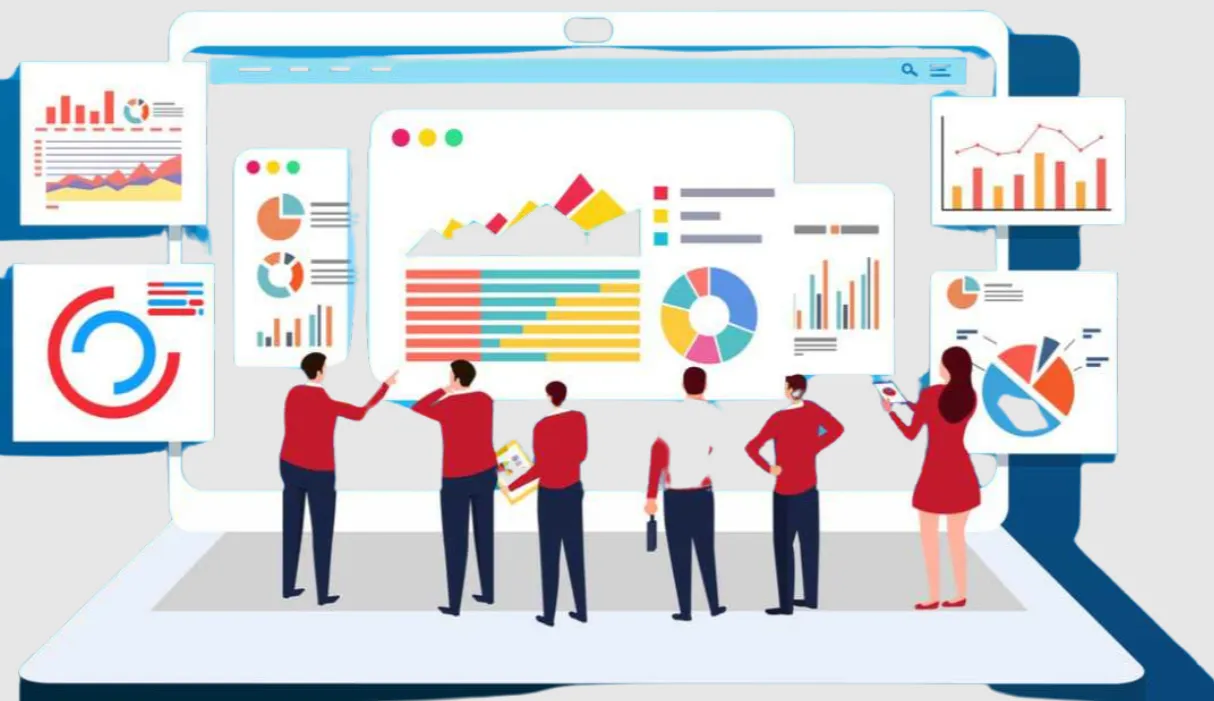
Data analytics is the process of collecting, organizing, and analyzing data to identify patterns, trends, and opportunities. Instead of relying solely on assumptions or intuition, businesses can make informed decisions based on accurate information. This approach helps improve efficiency, increase revenue, reduce costs, and enhance customer satisfaction.
As technology continues to evolve, data analytics tools have become more accessible and affordable. Small businesses, startups, and large enterprises can all benefit from leveraging data-driven strategies. Understanding how to use data analytics effectively can help organizations identify growth opportunities and achieve long-term success.
Understanding Data Analytics in Business
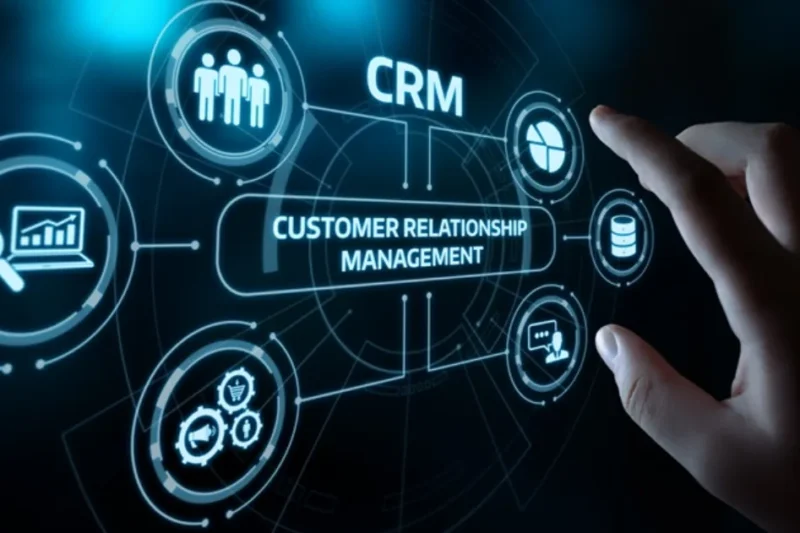
Data analytics involves transforming raw data into meaningful insights that support decision-making. Businesses collect information from various sources, including websites, customer relationship management (CRM) systems, sales records, social media platforms, and marketing campaigns.
There are several types of data analytics commonly used in business:
Descriptive Analytics
Descriptive analytics examines historical data to understand what has happened in the past. Businesses use reports, dashboards, and performance metrics to evaluate trends and outcomes.
Diagnostic Analytics
Diagnostic analytics helps determine why certain events occurred. By identifying the causes behind successes or failures, businesses can improve future strategies.
Predictive Analytics
Predictive analytics uses historical data and statistical models to forecast future outcomes. Companies can anticipate customer behavior, market trends, and sales performance.
Prescriptive Analytics
Prescriptive analytics recommends actions businesses should take to achieve desired results. It helps organizations optimize decision-making and improve operational efficiency.
By combining these analytical approaches, companies gain a comprehensive understanding of their operations and market conditions.
Improving Customer Understanding
One of the most valuable applications of data analytics is gaining deeper insights into customers. Understanding customer preferences, behaviors, and purchasing habits allows businesses to create more effective products and services.
Companies can analyze data such as:
- Purchase history
- Website activity
- Customer feedback
- Social media interactions
- Email engagement
This information helps businesses identify what customers want, when they buy, and how they interact with the brand.
For example, an online retailer can analyze shopping patterns to recommend products based on previous purchases. Personalized experiences often lead to higher customer satisfaction and increased sales.
Customer segmentation is another important benefit. Businesses can group customers based on demographics, interests, spending habits, or geographic location. This enables more targeted marketing efforts and improved customer engagement.
Enhancing Marketing Performance
Marketing campaigns generate large amounts of data that can be analyzed to improve results. Data analytics helps businesses determine which marketing channels deliver the highest return on investment (ROI).
By tracking metrics such as:
- Website traffic
- Conversion rates
- Click-through rates
- Cost per acquisition
- Customer lifetime value
Businesses can evaluate campaign effectiveness and allocate resources more efficiently.
For instance, if analytics reveal that email marketing generates more conversions than social media advertising, companies can invest more heavily in email campaigns. Similarly, underperforming strategies can be adjusted or discontinued.
Real-time analytics also allows marketers to monitor campaign performance and make immediate improvements. This flexibility helps maximize marketing effectiveness while minimizing wasted spending.
Increasing Sales and Revenue
Data analytics plays a crucial role in identifying opportunities for revenue growth. Businesses can analyze sales trends, customer demand, and purchasing behavior to develop more effective sales strategies.
Some common applications include:
Sales Forecasting
Predictive analytics helps estimate future sales based on historical data and market trends. Accurate forecasting improves inventory planning and financial management.
Pricing Optimization
Businesses can analyze market conditions, competitor pricing, and customer demand to determine optimal pricing strategies.
Cross-Selling and Upselling
Analytics helps identify products that customers frequently purchase together. Businesses can recommend complementary products and increase average order value.
Lead Scoring
Sales teams can prioritize leads based on their likelihood of conversion, improving efficiency and closing more deals.
By using data-driven insights, companies can make smarter decisions that directly impact profitability.
Improving Operational Efficiency
Operational efficiency is essential for sustainable business growth. Data analytics helps organizations identify inefficiencies, reduce waste, and optimize processes.
Businesses can monitor:
- Production performance
- Employee productivity
- Supply chain operations
- Inventory levels
- Resource utilization
For example, manufacturers can analyze production data to identify bottlenecks that slow down operations. Retailers can use inventory analytics to avoid stock shortages or excess inventory.
Automation tools powered by analytics can also streamline repetitive tasks, reducing labor costs and improving overall productivity.
When operations run more efficiently, businesses can serve customers better while increasing profitability.
Strengthening Customer Retention
Acquiring new customers often costs significantly more than retaining existing ones. Data analytics helps businesses understand factors that influence customer loyalty and satisfaction.
By monitoring customer behavior, companies can identify warning signs of potential customer churn. These signs may include:
- Reduced purchasing activity
- Lower engagement levels
- Increased customer complaints
- Subscription cancellations
Businesses can then take proactive measures to re-engage customers through personalized offers, loyalty programs, or improved customer service.
Analytics also helps companies measure customer satisfaction through surveys, reviews, and feedback analysis. Addressing customer concerns promptly strengthens relationships and encourages long-term loyalty.
Supporting Strategic Decision-Making
Business leaders face numerous decisions related to growth, investments, expansion, and resource allocation. Data analytics provides reliable information that supports strategic planning.
Instead of relying solely on intuition, executives can evaluate:
- Market opportunities
- Industry trends
- Competitive performance
- Customer demand
- Financial performance
Data-driven decision-making reduces uncertainty and helps organizations minimize risks.
For example, a company considering expansion into a new market can analyze demographic data, consumer behavior, and competitor activity before making an investment. This approach increases the likelihood of success and reduces costly mistakes.
Gaining a Competitive Advantage
Businesses that effectively leverage data analytics often outperform competitors. Analytics provides valuable insights that help organizations respond quickly to market changes and customer needs.
Companies can use data to:
- Identify emerging trends
- Launch innovative products
- Improve customer experiences
- Optimize marketing campaigns
- Enhance operational performance
The ability to make faster and more informed decisions creates a significant competitive advantage in today’s fast-paced business environment.
Organizations that embrace a data-driven culture are better positioned to adapt to changing market conditions and capitalize on new opportunities.
Best Practices for Implementing Data Analytics
To maximize the benefits of data analytics, businesses should follow several best practices:
- Define clear business objectives.
- Collect accurate and relevant data.
- Invest in reliable analytics tools.
- Ensure data security and privacy compliance.
- Train employees to interpret data effectively.
- Regularly monitor key performance indicators (KPIs).
- Use insights to drive continuous improvement.
A well-structured analytics strategy ensures that data becomes a valuable asset rather than an overwhelming source of information.
Conclusion
Data analytics has become a critical driver of business growth in the modern marketplace. By transforming raw information into actionable insights, companies can better understand customers, improve marketing performance, increase sales, optimize operations, and make smarter strategic decisions.
Organizations that embrace data-driven decision-making gain a significant competitive advantage while improving efficiency and profitability. As technology continues to advance, businesses that invest in analytics capabilities will be better equipped to identify opportunities, overcome challenges, and achieve sustainable growth.
In an increasingly data-driven world, leveraging analytics is no longer optional—it is essential for businesses seeking long-term success and expansion.
Also Read About: The Future of Leadership in a Digital Workplace