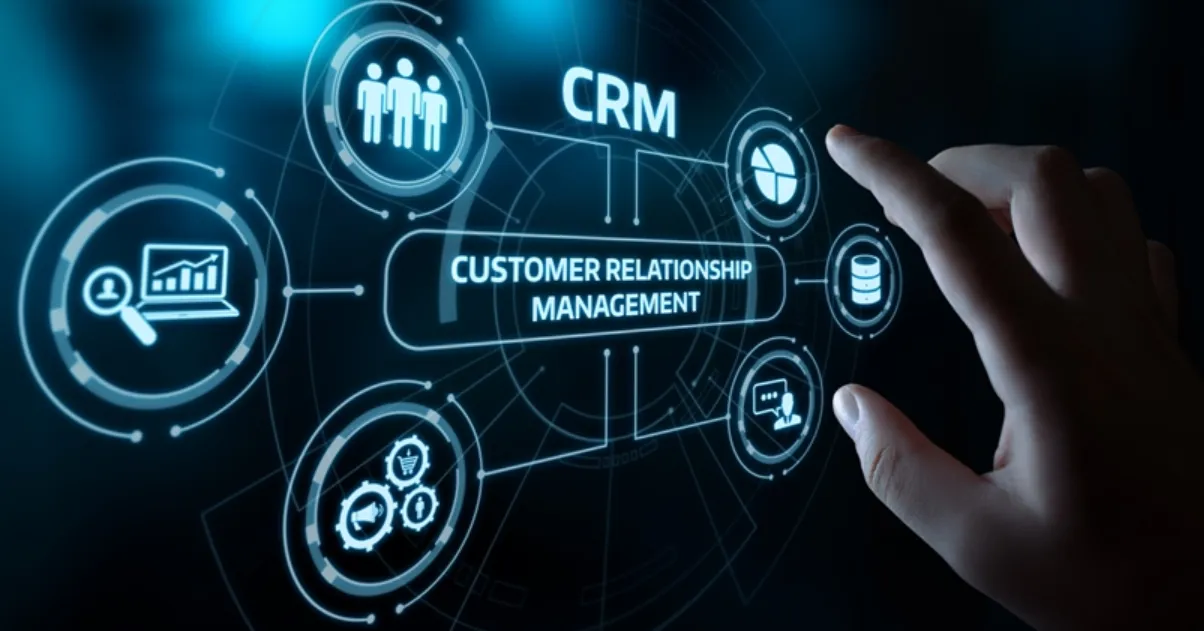
In today’s highly competitive business environment, building strong customer relationships is more important than ever. Companies of all sizes are looking for effective ways to understand customer needs, improve communication, and increase customer satisfaction. This is where Customer Relationship Management (CRM) software plays a crucial role. CRM software is a powerful tool that helps businesses manage interactions with current and potential customers while streamlining sales, marketing, and customer service processes.
The growing importance of customer-centric business strategies has made CRM software an essential part of modern organizations. Instead of relying on spreadsheets, manual records, or disconnected systems, businesses can use CRM platforms to store customer data in a centralized location. This enables teams to access accurate information, track customer interactions, and make informed decisions quickly.
CRM software not only helps businesses improve operational efficiency but also strengthens customer loyalty. By understanding customer preferences, purchase history, and communication patterns, organizations can deliver personalized experiences that increase engagement and retention. From small startups to large enterprises, companies across industries are investing in CRM solutions to gain a competitive advantage.
This article explores the role of CRM software in customer management, highlighting its key features, benefits, and impact on business growth. Understanding how CRM systems contribute to better customer relationships can help organizations maximize their success in an increasingly customer-driven marketplace.
What Is CRM Software?
Customer Relationship Management (CRM) software is a technology solution designed to help businesses manage customer interactions and relationships throughout the customer lifecycle. The primary goal of CRM software is to improve customer satisfaction, increase sales opportunities, and strengthen long-term customer loyalty.
A CRM system acts as a centralized database where businesses can store customer information such as contact details, communication history, purchase records, support requests, and marketing interactions. This information is accessible to different departments, ensuring that sales, marketing, and customer service teams work with consistent and up-to-date data.
Modern CRM platforms offer a variety of features, including:
- Contact management
- Sales pipeline tracking
- Marketing automation
- Customer support management
- Analytics and reporting
- Lead generation tools
- Task and workflow automation
By organizing customer data and automating routine tasks, CRM software enables businesses to focus more on building meaningful relationships and less on administrative work.
How CRM Software Improves Customer Management
Centralized Customer Information
One of the most valuable aspects of CRM software is its ability to centralize customer information. Instead of storing data across multiple systems, businesses can access all customer details from a single platform.
This centralized approach allows employees to quickly view customer histories, previous interactions, and preferences. As a result, businesses can provide faster responses and more personalized service.
Enhanced Customer Communication
Effective communication is essential for maintaining strong customer relationships. CRM software helps businesses track emails, phone calls, meetings, and social media interactions.
With complete visibility into customer communications, employees can respond appropriately and ensure that no important conversations are missed. Consistent communication helps build trust and improves the overall customer experience.
Personalized Customer Experiences
Customers expect personalized interactions from businesses. CRM software makes personalization easier by collecting and analyzing customer data.
Businesses can use CRM insights to:
- Send targeted marketing campaigns
- Recommend relevant products or services
- Offer personalized promotions
- Customize customer support responses
Personalization increases customer satisfaction and encourages long-term loyalty.
Improved Customer Support
Customer service teams benefit significantly from CRM software. Support representatives can quickly access customer histories, previous issues, and account information.
This enables faster problem resolution and reduces the need for customers to repeat information multiple times. Efficient support leads to higher customer satisfaction and strengthens brand reputation.
CRM Software and Sales Management
CRM software plays a vital role in improving sales performance. Sales teams can use CRM systems to track leads, monitor opportunities, and manage customer relationships throughout the sales process.
Lead Management
CRM platforms help businesses capture and organize leads from various sources, including websites, social media, and email campaigns.
Sales representatives can prioritize leads based on their likelihood of conversion, ensuring that valuable opportunities receive proper attention.
Sales Pipeline Tracking
A CRM system provides visibility into every stage of the sales pipeline. Managers can track progress, identify bottlenecks, and forecast future sales more accurately.
This transparency improves decision-making and helps businesses achieve revenue goals more effectively.
Automation of Sales Tasks
Many CRM solutions automate repetitive tasks such as:
- Follow-up reminders
- Email scheduling
- Data entry
- Appointment management
Automation increases productivity and allows sales professionals to spend more time building relationships and closing deals.
CRM Software and Marketing Success
Marketing teams use CRM software to create more effective campaigns and improve customer engagement.
Better Audience Segmentation
CRM systems allow businesses to segment customers based on demographics, behavior, interests, and purchasing patterns.
This segmentation helps marketers create highly targeted campaigns that generate better results.
Marketing Automation
CRM software often includes automation tools that simplify marketing activities. Businesses can automatically send emails, nurture leads, and track campaign performance.
Automation ensures timely communication while reducing manual effort.
Campaign Performance Analysis
CRM platforms provide valuable analytics that help businesses measure marketing effectiveness. Marketers can track open rates, click-through rates, conversions, and customer engagement metrics.
These insights support data-driven decision-making and continuous improvement.
Benefits of CRM Software for Businesses
Increased Customer Retention
Retaining existing customers is often more cost-effective than acquiring new ones. CRM software helps businesses maintain strong relationships through personalized communication and proactive support.
Satisfied customers are more likely to remain loyal and recommend the business to others.
Improved Team Collaboration
CRM software allows different departments to access shared customer information. This improves collaboration between sales, marketing, and customer support teams.
When everyone works from the same data, customer interactions become more consistent and effective.
Higher Efficiency and Productivity
Automation features eliminate repetitive tasks and reduce administrative workloads. Employees can focus on strategic activities that contribute to business growth.
Increased efficiency leads to better resource utilization and improved profitability.
Data-Driven Decision Making
CRM systems generate valuable insights through reporting and analytics tools. Businesses can identify trends, monitor performance, and make informed decisions based on accurate data.
This strategic advantage supports long-term success.
The Future of CRM Software
As technology continues to evolve, CRM software is becoming more advanced. Artificial intelligence (AI), machine learning, predictive analytics, and automation are transforming how businesses manage customer relationships.
Future CRM systems will provide deeper customer insights, predict customer behavior more accurately, and automate complex workflows. Integration with emerging technologies will enable businesses to deliver even more personalized and efficient customer experiences.
Mobile CRM solutions are also becoming increasingly important, allowing employees to access customer information anytime and anywhere. This flexibility supports remote work and improves responsiveness.
Conclusion
CRM software has become an essential tool for effective customer management in the modern business world. By centralizing customer information, improving communication, enhancing customer service, and supporting sales and marketing efforts, CRM systems help businesses build stronger relationships and drive sustainable growth.
Organizations that invest in CRM technology gain valuable insights into customer behavior, improve operational efficiency, and deliver personalized experiences that increase customer satisfaction and loyalty. As customer expectations continue to rise, the importance of CRM software will only grow.
Businesses that leverage CRM solutions effectively are better positioned to retain customers, increase revenue, and maintain a competitive advantage in an increasingly customer-focused marketplace.
Also Read About: Key Financial Metrics Every Business Should Track