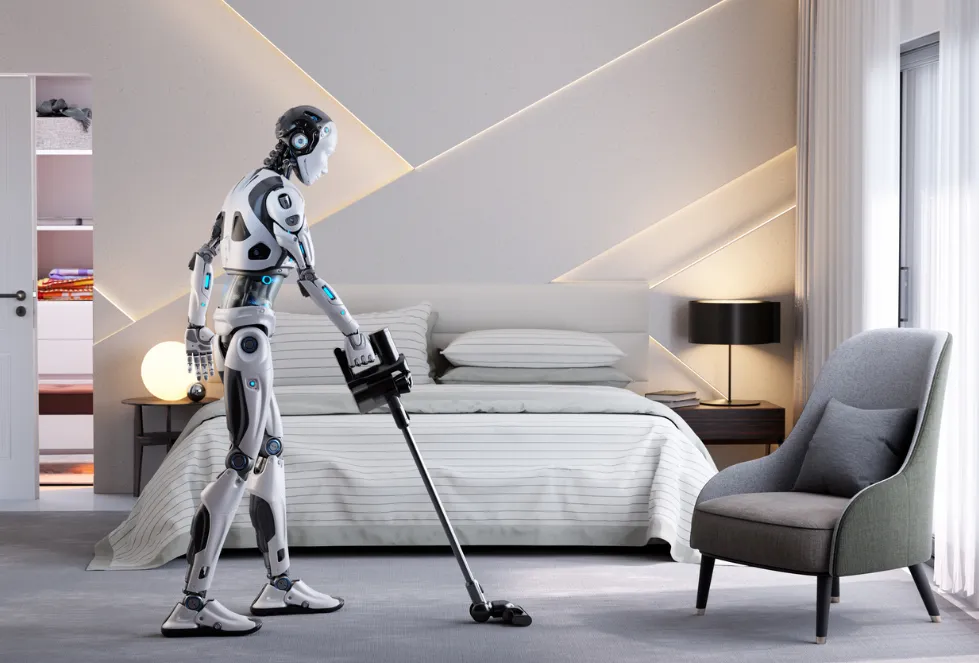
Robotics is no longer limited to factories, research laboratories, or science fiction movies. Over the past decade, robots have become increasingly integrated into daily life, helping people perform tasks more efficiently and improving convenience across various industries. From robotic vacuum cleaners that maintain clean homes to advanced surgical robots assisting doctors, robotics technology continues to transform the way people live and work.
As artificial intelligence (AI), machine learning, and sensor technologies advance, robots are becoming smarter, more adaptable, and more affordable. These innovations are paving the way for widespread adoption of robotics in households, healthcare facilities, educational institutions, transportation systems, and retail environments. The future promises a world where robots seamlessly collaborate with humans, enhancing productivity and quality of life.
The growing demand for automation, combined with labor shortages in certain industries, is accelerating the development of robotic solutions. Businesses and consumers alike are recognizing the benefits of robotics, including increased efficiency, improved safety, and cost savings. While concerns about job displacement and privacy remain important considerations, experts believe that robotics will create new opportunities alongside technological progress.
This article explores the future of robotics in everyday life, examining how robots are expected to reshape homes, workplaces, healthcare, education, transportation, and other aspects of modern society.
The Evolution of Robotics
Robotics has evolved significantly since the first industrial robots were introduced in manufacturing plants during the mid-20th century. Early robots were designed to perform repetitive tasks in controlled environments. Today, modern robots are equipped with sophisticated sensors, computer vision systems, and AI capabilities that allow them to interact with dynamic surroundings.
The integration of cloud computing and machine learning has enabled robots to learn from experience and improve their performance over time. Collaborative robots, often called cobots, can work alongside humans safely and efficiently, making automation accessible to smaller businesses and everyday applications.
As hardware becomes more affordable and software becomes more intelligent, robotics is moving beyond industrial settings into homes, schools, hospitals, and public spaces.
Robotics in Smart Homes
One of the most visible applications of robotics is within smart homes. Household robots are already helping people automate routine chores, and future advancements will significantly expand their capabilities.
Future home robots may be able to:
- Clean and organize living spaces automatically.
- Prepare meals based on dietary preferences.
- Assist elderly family members with daily activities.
- Monitor home security and detect emergencies.
- Manage smart appliances and household systems.
Imagine a robot that can unload groceries, fold laundry, or remind family members about appointments and medications. Such innovations could save time and reduce household stress while improving overall convenience.
As voice assistants and AI systems become more advanced, home robots will likely serve as intelligent personal assistants capable of understanding natural language and adapting to individual needs.
Transforming Healthcare Through Robotics
Healthcare is expected to be one of the most significant beneficiaries of robotic innovation. Medical robots are already being used for surgery, rehabilitation, and patient care, but future developments will further enhance healthcare services.
Potential applications include:
Robotic Surgery
Advanced surgical robots provide greater precision, reduced recovery times, and improved patient outcomes. Future systems may perform increasingly complex procedures with enhanced accuracy.
Elderly Care
With aging populations worldwide, robotic caregivers could assist seniors with mobility, medication management, and daily tasks. These robots may help older adults maintain independence while reducing the burden on caregivers.
Rehabilitation Support
Robotic exoskeletons and therapy devices are helping patients recover from injuries and neurological conditions. Future technologies will offer more personalized rehabilitation programs.
Hospital Automation
Robots can deliver supplies, disinfect rooms, transport equipment, and assist medical staff, allowing healthcare professionals to focus more on patient care.
The combination of robotics and AI is expected to improve healthcare accessibility, efficiency, and quality worldwide.
Robotics in Education
Education is another field where robotics is making a growing impact. Interactive educational robots can provide personalized learning experiences, helping students develop critical thinking and problem-solving skills.
Future classroom robots may:
- Assist teachers with administrative tasks.
- Provide individualized tutoring.
- Support students with special learning needs.
- Teach programming and engineering concepts.
- Facilitate language learning and communication skills.
Educational robotics also encourages students to explore science, technology, engineering, and mathematics (STEM) subjects, preparing them for careers in an increasingly technology-driven world.
As virtual and physical learning environments continue to evolve, robotics will play a vital role in creating engaging and adaptive educational experiences.
Revolutionizing Transportation
Transportation is undergoing rapid transformation due to advancements in robotics and automation. Autonomous vehicles are among the most anticipated developments in this sector.
Future transportation systems may include:
- Self-driving cars that reduce traffic accidents.
- Autonomous delivery robots for last-mile logistics.
- Drone-based package delivery services.
- Automated public transportation networks.
- Smart traffic management systems.
These technologies have the potential to improve road safety, reduce congestion, and enhance transportation efficiency. Businesses may also benefit from lower logistics costs and faster delivery times.
As regulations and infrastructure continue to adapt, autonomous transportation solutions are expected to become increasingly common in everyday life.
Robotics in Retail and Customer Service
Retail businesses are embracing robotics to improve customer experiences and streamline operations. Future retail robots may assist customers, manage inventory, and support store operations.
Examples include:
- Robotic shopping assistants.
- Automated inventory management systems.
- Self-service checkout robots.
- Warehouse automation solutions.
- Personalized customer support robots.
By handling repetitive tasks, robots allow employees to focus on providing better customer service and building stronger relationships with shoppers.
The combination of robotics and AI-driven analytics will also help retailers better understand consumer behavior and optimize their operations.
Enhancing Workplace Productivity
The future workplace will likely involve close collaboration between humans and robots. Rather than replacing workers entirely, many robots will function as assistants that improve efficiency and safety.
Collaborative robots can:
- Handle repetitive or dangerous tasks.
- Improve manufacturing precision.
- Support logistics and warehouse operations.
- Assist construction workers.
- Enhance productivity across various industries.
By automating routine activities, organizations can free employees to focus on creative, strategic, and interpersonal responsibilities that require human judgment and expertise.
This partnership between humans and robots is expected to create new job opportunities while transforming existing roles.
Challenges and Ethical Considerations
Despite the many benefits of robotics, several challenges must be addressed as adoption increases.
Job Displacement Concerns
Automation may replace certain jobs, particularly those involving repetitive tasks. Governments, businesses, and educational institutions must invest in workforce training and reskilling programs.
Privacy and Security
Robots often collect and process large amounts of data. Ensuring cybersecurity and protecting personal information will be essential.
Ethical Decision-Making
As robots become more autonomous, developers must establish clear ethical guidelines regarding decision-making, accountability, and transparency.
Accessibility and Affordability
To maximize societal benefits, robotic technologies should be accessible to people across different economic backgrounds and regions.
Addressing these concerns responsibly will help ensure that robotics contributes positively to society.
Conclusion
The future of robotics in everyday life is filled with exciting possibilities. As robotics technology continues to advance, robots will become increasingly integrated into homes, healthcare systems, schools, workplaces, transportation networks, and retail environments. These intelligent machines have the potential to improve convenience, enhance safety, boost productivity, and elevate overall quality of life.
While challenges related to employment, privacy, and ethics must be carefully managed, the benefits of robotics are likely to outweigh the risks when implemented responsibly. The coming decades will see humans and robots working together more closely than ever before, creating smarter communities and more efficient systems.
As innovation continues to accelerate, robotics will move from being a specialized technology to becoming a fundamental part of everyday life. The future is not simply about robots replacing human effort—it is about empowering people through intelligent automation and creating new opportunities for progress in an increasingly connected world.
Also Read About: The Importance of User Experience in Modern Applications