The automotive industry is undergoing a major transformation as consumer expectations continue to evolve. Modern car buyers are no longer satisfied with standard vehicle configurations. Instead, they seek automobiles that reflect their lifestyles, preferences, and individual needs. This shift has fueled the growing demand for personalized vehicle features, making customization one of the most significant trends in the automotive sector.
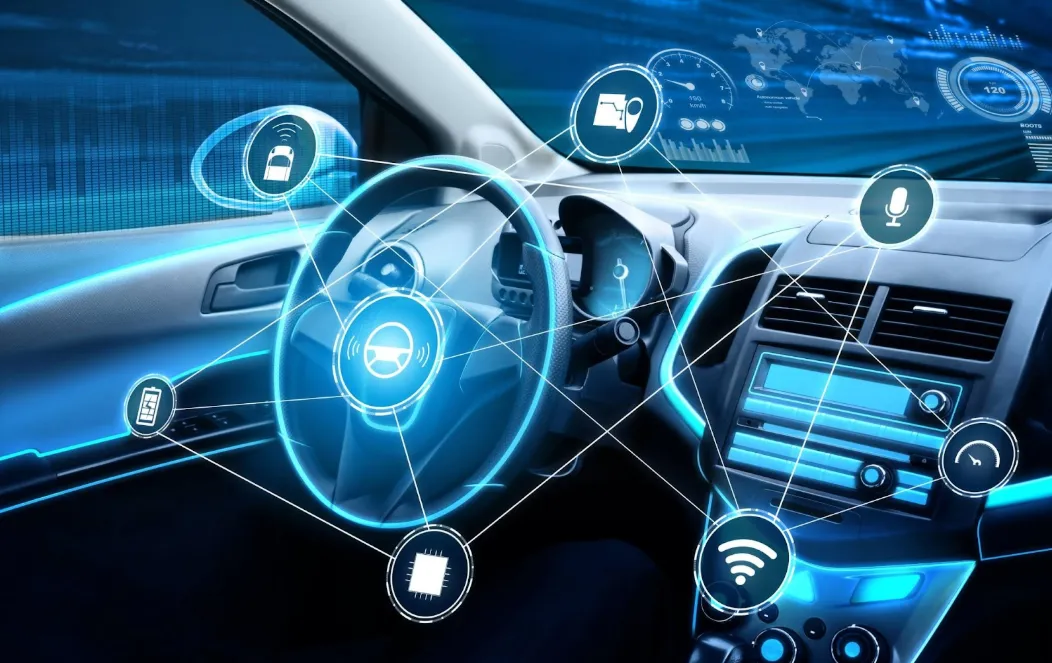
From advanced infotainment systems and customizable interiors to driver-specific settings and smart technology integrations, vehicle personalization has become a key factor influencing purchasing decisions. Automakers worldwide are investing heavily in innovative technologies that allow customers to tailor their vehicles like never before.
As personalization becomes increasingly important, manufacturers are discovering new ways to deliver unique driving experiences while improving customer satisfaction and brand loyalty.
What Are Personalized Vehicle Features?
Personalized vehicle features refer to custom options and settings that allow drivers to modify their vehicles according to their preferences. These features can be physical, digital, or software-based.
Common examples include:
- Customized seat materials and colors
- Adjustable ambient lighting
- Personalized dashboard displays
- Driver profile settings
- Voice recognition systems
- Custom infotainment interfaces
- Smart climate control preferences
- Personalized safety alerts
- Unique exterior styling options
These features enable drivers to create a vehicle experience that aligns with their tastes, comfort requirements, and daily driving habits.
Why Consumers Want Personalized Vehicles
The demand for personalization is largely driven by changing consumer behavior. Modern buyers expect products and services to cater specifically to their individual preferences, and vehicles are no exception.
Desire for Unique Experiences
People increasingly value individuality. Personalized vehicles allow owners to express their personalities and stand out from the crowd. Whether through custom paint colors, unique interior designs, or advanced digital settings, drivers enjoy having a vehicle that feels uniquely theirs.
Increased Comfort and Convenience
Personalized features improve comfort by automatically adjusting settings based on the driver’s preferences. For example, a vehicle can remember seat positions, climate control settings, mirror adjustments, and entertainment preferences for multiple users.
This level of convenience enhances the overall driving experience and reduces the need for manual adjustments every time someone enters the vehicle.
Growing Influence of Technology
Consumers have become accustomed to personalized experiences through smartphones, streaming platforms, and smart home devices. As a result, they expect similar customization capabilities in their vehicles.
Automakers are responding by integrating intelligent software systems that learn driver habits and offer tailored recommendations and settings.
The Role of Digital Technology in Vehicle Personalization
Advancements in automotive technology have significantly expanded personalization possibilities.
Driver Profiles
Many modern vehicles now offer driver profile systems that store individual preferences. These profiles can automatically adjust:
- Seat positions
- Steering wheel settings
- Climate controls
- Audio preferences
- Navigation favorites
- Driving modes
This feature is particularly useful for families or businesses where multiple people use the same vehicle.
Artificial Intelligence Integration
Artificial intelligence is playing a growing role in vehicle customization. AI-powered systems can analyze driving behavior and make personalized suggestions.
For example, the vehicle may:
- Recommend preferred routes
- Adjust cabin temperature automatically
- Suggest maintenance schedules
- Customize entertainment options
As AI technology advances, personalization capabilities are expected to become even more sophisticated.
Over-the-Air Updates
Over-the-air (OTA) software updates have revolutionized vehicle customization. Instead of visiting a dealership, drivers can receive new features and improvements directly through software updates.
This allows manufacturers to continuously enhance personalization options long after the vehicle has been purchased.
Personalized Interior Features Gaining Popularity
Vehicle interiors are becoming major areas for customization.
Ambient Lighting Systems
Customizable ambient lighting allows drivers to choose colors and brightness levels that match their mood or driving environment.
Many luxury and premium vehicles now offer dozens of lighting options that create a unique cabin atmosphere.
Premium Seating Options
Consumers increasingly demand seats tailored to their comfort preferences. Features such as:
- Heated seats
- Ventilated seats
- Massage functions
- Adjustable lumbar support
have become highly desirable in modern vehicles.
Customized Infotainment Systems
Drivers want seamless access to their favorite apps, music, navigation tools, and communication platforms. Personalized infotainment systems can display preferred layouts and content, improving usability and convenience.
Exterior Customization Trends
Vehicle personalization extends beyond the interior.
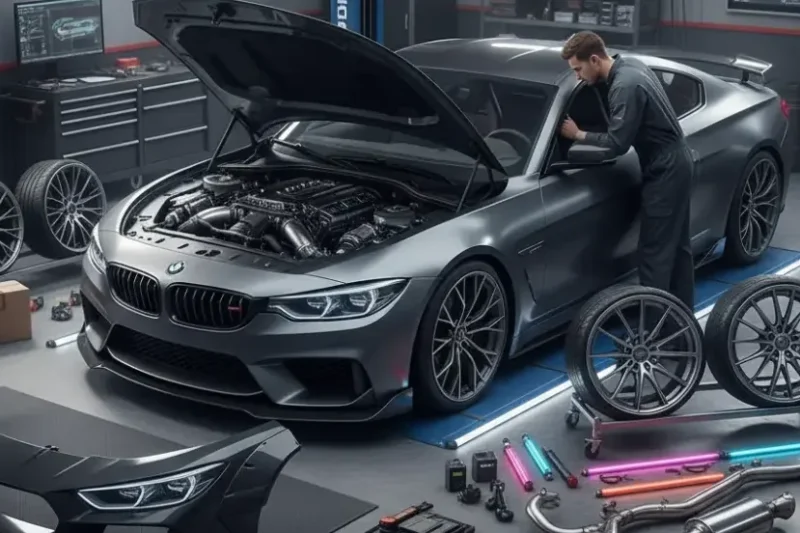
Custom Paint and Finishes
Unique paint colors and finishes are becoming more popular among buyers seeking individuality. Matte finishes, metallic colors, and special edition designs allow owners to create a distinctive appearance.
Wheel and Tire Options
Custom wheel designs continue to attract consumers who want to enhance both aesthetics and performance. Manufacturers now offer a wider variety of wheel styles directly from the factory.
Personalized Lighting Designs
LED technology has enabled automakers to create unique lighting signatures. Customized headlights, taillights, and welcome lighting systems contribute to a vehicle’s distinctive identity.
Impact on Automotive Manufacturers
The growing demand for personalization is changing how vehicles are designed, manufactured, and marketed.
Flexible Manufacturing Processes
Automakers are investing in flexible production systems capable of handling a greater variety of customization options without sacrificing efficiency.
Advanced manufacturing technologies such as robotics and digital production management make it easier to accommodate individual customer preferences.
Increased Customer Loyalty
Personalized experiences often lead to stronger emotional connections between consumers and brands. When customers feel their vehicle is uniquely designed for them, they are more likely to remain loyal and recommend the brand to others.
New Revenue Opportunities
Customization options create additional revenue streams for manufacturers. Customers are often willing to pay premium prices for advanced personalization features, increasing profitability.
The Future of Personalized Vehicle Features
The future of vehicle personalization looks extremely promising.
Emerging technologies such as artificial intelligence, machine learning, biometric recognition, and connected vehicle ecosystems will make personalization even more advanced.
Future vehicles may automatically recognize drivers through facial recognition or biometric data and instantly configure every aspect of the vehicle to match individual preferences.
Electric vehicles are also expected to accelerate personalization trends since software-driven architectures provide greater flexibility for feature customization.
As autonomous driving technology develops, personalization may expand beyond driving functions to include entertainment, productivity, wellness, and lifestyle experiences within the vehicle cabin.
Conclusion
The growing demand for personalized vehicle features reflects a broader shift toward customer-centric experiences in the automotive industry. Today’s consumers want more than transportation—they want vehicles that adapt to their lifestyles, preferences, and personal identities.
Through advancements in artificial intelligence, digital connectivity, software updates, and flexible manufacturing, automakers are delivering unprecedented levels of customization. From personalized interiors and intelligent driver profiles to unique exterior styling and smart technology integrations, vehicle personalization is rapidly becoming a standard expectation rather than a luxury.
As technology continues to evolve, personalized vehicle features will play an even greater role in shaping the future of automotive innovation, enhancing both customer satisfaction and the overall driving experience.
Also Read About: How Consumer Preferences Are Changing Car Design