The automotive industry is experiencing a major transformation as consumer preferences continue to evolve. Modern car buyers are no longer focused solely on engine power, speed, or brand reputation. Instead, they are looking for vehicles that offer advanced technology, sustainability, safety, comfort, and personalization. As a result, automakers around the world are redesigning vehicles to meet the changing expectations of today’s consumers.
From electric vehicles and smart connectivity to eco-friendly materials and innovative interiors, consumer demands are reshaping the future of automobile design. Understanding these shifts provides valuable insight into where the automotive industry is headed and how manufacturers are adapting to remain competitive.
The Growing Demand for Sustainable Vehicles
One of the biggest factors influencing modern car design is the increasing consumer focus on environmental sustainability. Buyers are becoming more aware of climate change and carbon emissions, leading many to seek eco-friendly transportation options.
This shift has accelerated the development of electric vehicles (EVs) and hybrid cars. Automakers are redesigning vehicles with aerodynamic shapes that improve energy efficiency and extend battery range. Lightweight materials such as aluminum and carbon fiber are also being incorporated to reduce energy consumption.
In addition to powertrains, consumers are encouraging manufacturers to use recycled and sustainable materials throughout vehicle interiors. Seats made from recycled plastics, vegan leather alternatives, and environmentally responsible manufacturing processes are becoming more common in modern vehicles.
Technology Is Now a Top Priority
Today’s consumers expect their vehicles to function like smartphones on wheels. Technology has become one of the most influential factors in purchasing decisions, significantly impacting vehicle design.
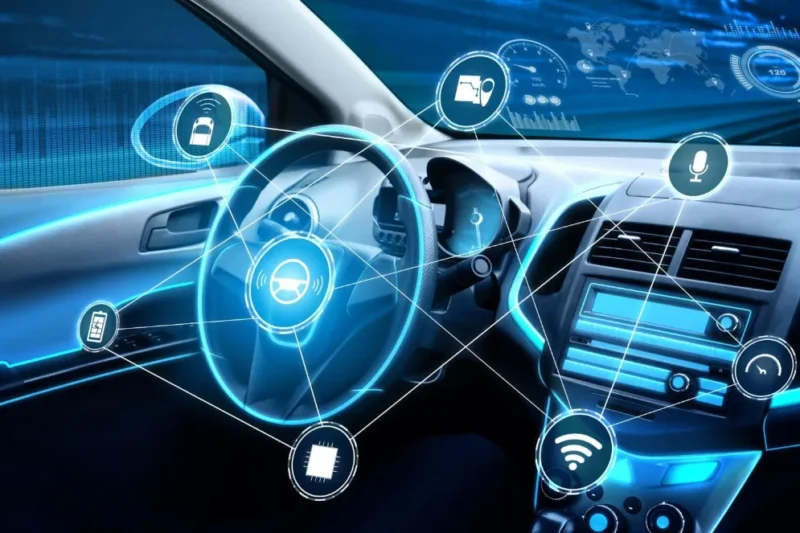
Modern cars now feature large touchscreen displays, digital dashboards, voice assistants, wireless charging, and smartphone integration. Consumers want seamless connectivity that allows them to access navigation, entertainment, communication, and vehicle controls with ease.
As a result, designers are creating cleaner and more minimalist interiors. Traditional buttons and switches are being replaced by digital interfaces that provide a sleek and modern appearance. The focus is on creating intuitive user experiences that enhance convenience and reduce driver distraction.
Safety Expectations Continue to Rise
Safety remains one of the most important considerations for vehicle buyers. Consumers are increasingly looking for cars equipped with advanced driver-assistance systems (ADAS) that help prevent accidents and improve road safety.
Features such as automatic emergency braking, lane-keeping assistance, adaptive cruise control, blind-spot monitoring, and driver attention alerts are becoming standard in many vehicles.
To accommodate these technologies, automakers are integrating cameras, sensors, radar systems, and artificial intelligence into vehicle design. Exterior styling is being modified to support these systems without compromising aesthetics. Consumers now expect safety innovations to be seamlessly integrated into both the design and functionality of their vehicles.
Comfort and Interior Space Matter More Than Ever
Modern consumers spend significant amounts of time commuting, traveling, and working from their vehicles. As a result, comfort has become a key design priority.
Vehicle interiors are being transformed into more spacious and relaxing environments. Designers are focusing on ergonomic seating, improved legroom, premium materials, enhanced climate control systems, and reduced cabin noise.
Electric vehicle platforms have also created new opportunities for interior innovation. Since EVs require fewer mechanical components than traditional vehicles, designers can maximize cabin space and create more open layouts.
Many consumers now view their vehicles as extensions of their homes or workplaces, driving demand for more comfortable and versatile interiors.
The Rise of Personalized Vehicle Design
Consumers increasingly want products that reflect their personalities, and vehicles are no exception. Personalization has become a major trend influencing automotive design.
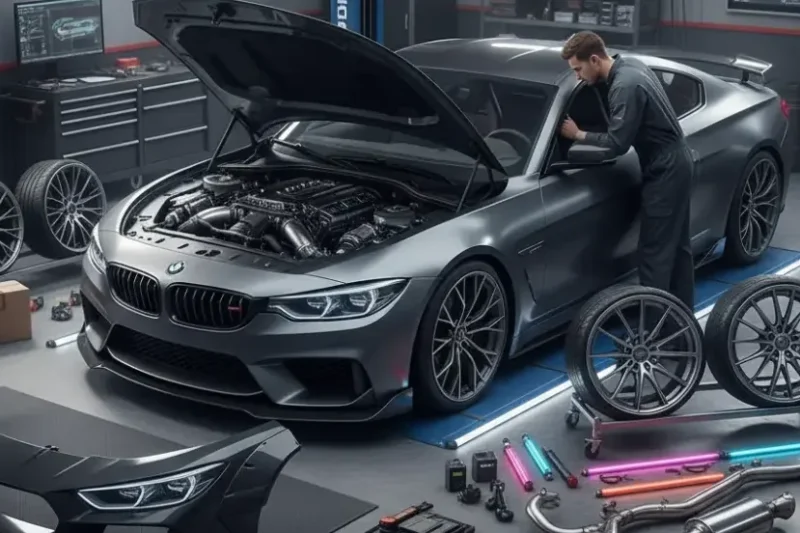
Manufacturers are offering more customization options than ever before. Buyers can select unique exterior colors, wheel designs, lighting configurations, interior materials, and technology packages.
Digital technology also enables software-based personalization. Drivers can customize dashboard displays, ambient lighting, seat settings, and infotainment preferences. Some vehicles can even remember individual driver profiles and automatically adjust settings upon entry.
This focus on personalization allows consumers to create vehicles that align with their lifestyles and personal preferences.
SUVs and Crossovers Continue to Dominate
Consumer preference for SUVs and crossovers has significantly impacted vehicle design worldwide. Buyers appreciate the combination of practicality, versatility, elevated driving positions, and spacious interiors that these vehicles provide.
As demand for SUVs continues to grow, manufacturers are investing heavily in designing more fuel-efficient and aerodynamic versions. Modern SUVs feature sleeker profiles, advanced suspension systems, and improved handling characteristics that combine utility with passenger-car comfort.
The popularity of this segment has also influenced the design of electric vehicles, with many automakers launching electric SUVs to meet consumer demand.
Connectivity and Smart Features Are Essential
The connected car revolution is transforming automotive design. Consumers increasingly expect vehicles to offer real-time connectivity, over-the-air software updates, and integration with smart devices.
Modern vehicles are being designed with built-in internet connectivity, allowing drivers to access cloud-based services, remote vehicle monitoring, predictive maintenance alerts, and advanced navigation systems.
Manufacturers are also incorporating smart home integration, enabling users to control home devices directly from their vehicles. These innovations require sophisticated digital architectures that influence both interior and exterior vehicle design.
As connectivity becomes more important, future vehicle designs will continue to prioritize digital experiences alongside traditional automotive performance.
Autonomous Driving Influences Future Design
Although fully autonomous vehicles are still developing, consumer interest in self-driving technology is already affecting vehicle design strategies.
Automakers are preparing for a future where vehicles may require less direct driver involvement. This has led to experimentation with new interior layouts that emphasize comfort, entertainment, and productivity.
Future vehicle cabins may feature rotating seats, larger displays, workspace functionality, and lounge-style configurations. Designers are rethinking traditional vehicle architecture to accommodate the evolving role of drivers and passengers.
Even current vehicles are incorporating semi-autonomous technologies that provide glimpses into the future of automotive design.
The Importance of Aesthetic Appeal
While technology and functionality are important, appearance still plays a major role in consumer purchasing decisions. Buyers want vehicles that make a statement and reflect modern trends.
Automakers are investing heavily in distinctive styling elements, including LED lighting systems, bold grilles, aerodynamic body shapes, and unique wheel designs. Electric vehicles, in particular, are introducing fresh design languages that emphasize innovation and sustainability.
Consumers increasingly value vehicles that combine visual appeal with practical functionality, encouraging manufacturers to balance form and performance in their designs.
Conclusion
Consumer preferences are reshaping the automotive industry at an unprecedented pace. Sustainability, advanced technology, safety, comfort, connectivity, personalization, and innovative design are now key factors influencing how vehicles are created.
As buyers continue to demand smarter, cleaner, and more user-focused transportation solutions, automakers must adapt their design strategies to stay competitive. The future of car design will be driven not only by engineering advancements but also by a deep understanding of evolving consumer expectations.
Manufacturers that successfully align their vehicles with changing consumer preferences will be best positioned to lead the next generation of automotive innovation. As technology continues to advance and lifestyles evolve, car design will remain a reflection of what consumers value most in modern transportation.
Also Read About: Quiet or Quite? The Difference Explained (With Examples)