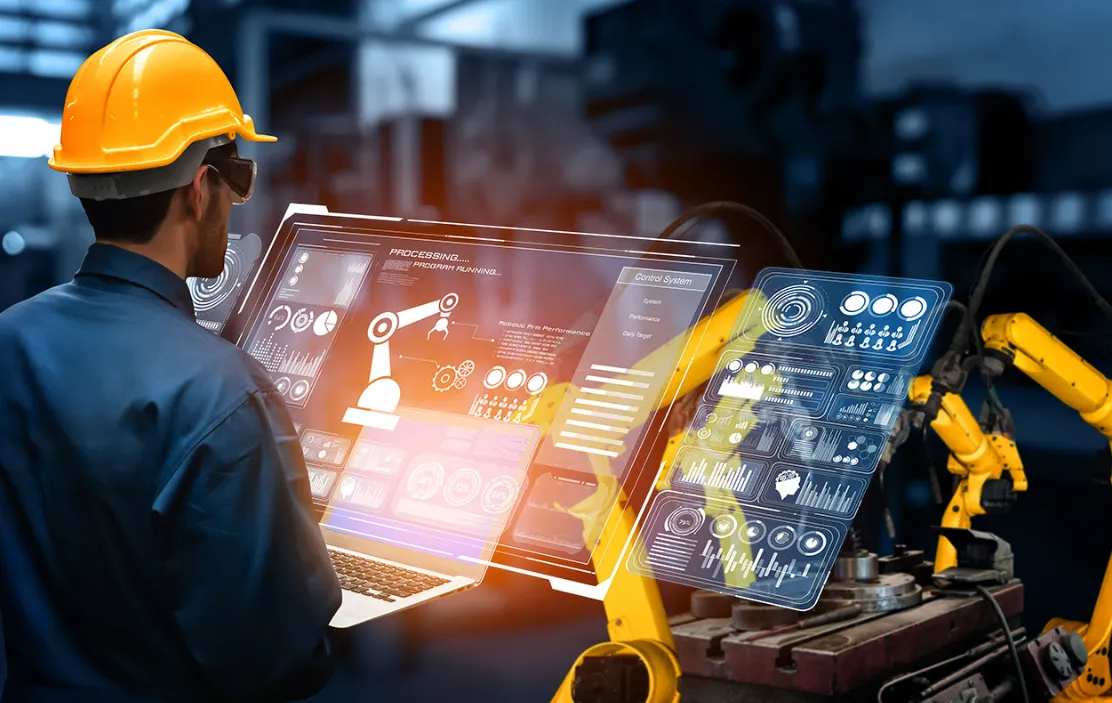
Automation is transforming workplaces across industries at an unprecedented pace. From manufacturing and healthcare to finance and retail, organizations are adopting automated systems to improve efficiency, reduce costs, and enhance productivity. Advances in artificial intelligence (AI), machine learning, robotics, and cloud computing have accelerated the automation revolution, making it a key driver of modern business success. As companies strive to remain competitive in an increasingly digital world, automation is reshaping the way employees work, collaborate, and contribute to organizational growth.
Understanding Workplace Automation
Workplace automation refers to the use of technology to perform tasks with minimal human intervention. These tasks can range from simple data entry and scheduling to complex operations such as predictive analytics and robotic manufacturing. Automation tools are designed to streamline workflows, eliminate repetitive tasks, and improve operational accuracy.
Modern automation technologies include robotic process automation (RPA), artificial intelligence, machine learning algorithms, chatbots, and intelligent software systems. These solutions allow businesses to automate routine activities while enabling employees to focus on strategic and creative responsibilities.
The Rise of Automation in Business
The adoption of automation has grown significantly in recent years. Organizations recognize that automated processes can reduce operational expenses while improving service quality. Businesses are increasingly investing in automation to address challenges such as labor shortages, rising customer expectations, and the need for faster decision-making.
Cloud-based automation platforms have also made advanced technologies more accessible to businesses of all sizes. Small and medium-sized enterprises can now leverage automation tools that were once only available to large corporations. This democratization of technology has accelerated digital transformation across multiple sectors.
Key Benefits of Automation in Modern Workplaces
Increased Productivity
One of the most significant advantages of automation is enhanced productivity. Automated systems can perform repetitive tasks faster and more accurately than humans. Activities such as data processing, inventory management, invoice generation, and customer support can be completed in a fraction of the time.
By reducing the time spent on routine tasks, employees can focus on higher-value activities such as innovation, problem-solving, and customer relationship management. This shift leads to greater overall efficiency and improved business outcomes.
Improved Accuracy and Reduced Errors
Human error can lead to costly mistakes, especially in industries that handle large volumes of data. Automation minimizes these risks by executing tasks according to predefined rules and workflows.
For example, automated accounting systems can process financial transactions with a high degree of accuracy, reducing the likelihood of errors in reports and compliance documents. Similarly, automated quality control systems in manufacturing can detect defects more consistently than manual inspections.
Cost Savings
Automation helps organizations reduce operational costs by streamlining processes and minimizing manual labor requirements. Businesses can achieve significant savings through reduced administrative expenses, lower error correction costs, and improved resource utilization.
Although implementing automation technologies may require an initial investment, the long-term financial benefits often outweigh the costs. Companies can achieve higher efficiency while maintaining lean operational structures.
Enhanced Employee Satisfaction
Contrary to the belief that automation only replaces jobs, it often improves employee satisfaction by eliminating monotonous and repetitive work. Employees can dedicate more time to meaningful tasks that require creativity, critical thinking, and human interaction.
This shift can lead to increased job engagement, higher morale, and better career development opportunities. Employees who work alongside advanced technologies often gain valuable digital skills that enhance their professional growth.
Automation Across Different Industries
Manufacturing
Manufacturing has been a leader in automation adoption for decades. Robotic assembly lines, automated quality inspections, and predictive maintenance systems have revolutionized production processes.
Modern factories use smart machines that communicate with one another to optimize operations. These technologies improve production speed, reduce waste, and ensure consistent product quality.
Healthcare
Automation is transforming healthcare by improving patient care and operational efficiency. Hospitals use automated scheduling systems, electronic medical records, and AI-powered diagnostic tools to streamline services.
Healthcare professionals can spend more time with patients while technology handles administrative tasks. Automation also helps improve treatment accuracy and supports faster decision-making in critical situations.
Finance
The financial sector relies heavily on automation for transaction processing, fraud detection, risk assessment, and customer service. AI-driven systems can analyze large datasets quickly, helping financial institutions make informed decisions.
Automated investment platforms, digital banking services, and intelligent chatbots have also improved customer experiences while reducing operational costs.
Retail and E-Commerce
Retail businesses use automation to manage inventory, process orders, and personalize customer experiences. In Shopify-based retail operations, a Shopify WMS can further enhance these automation efforts by improving inventory accuracy and streamlining order fulfillment processes. Automated recommendation engines analyze customer behavior to suggest relevant products, increasing sales opportunities.
Warehouse automation, including robotic picking and packing systems, enables faster order fulfillment and improves supply chain efficiency.
Challenges of Workplace Automation
While automation offers numerous benefits, it also presents certain challenges. One of the primary concerns is workforce displacement. As automated systems take over routine tasks, some traditional job roles may become less relevant.
However, many experts believe automation will create new employment opportunities that require advanced technical and analytical skills. Organizations must invest in employee training and reskilling programs to help workers adapt to changing job requirements.
Another challenge involves cybersecurity. Automated systems often rely on interconnected digital networks, making them potential targets for cyberattacks. Businesses must implement robust security measures to protect sensitive information and maintain operational continuity.
Additionally, organizations may face resistance to change when introducing automation technologies. Effective communication, employee involvement, and comprehensive training programs can help ease the transition.
The Future of Automated Workplaces
The future of work will likely involve greater collaboration between humans and machines. Rather than replacing employees entirely, automation will augment human capabilities and support more efficient decision-making.
Artificial intelligence will continue to evolve, enabling more sophisticated automation across industries. Intelligent assistants, predictive analytics, and autonomous systems will become increasingly common in workplace environments.
Remote and hybrid work models will also benefit from automation. Automated workflow management tools, virtual assistants, and collaborative platforms will help distributed teams remain productive and connected.
As technology advances, organizations that embrace automation strategically will be better positioned to innovate, adapt, and thrive in competitive markets.
Conclusion
Automation is fundamentally reshaping modern workplaces by improving productivity, reducing costs, and enhancing operational efficiency. From manufacturing and healthcare to finance and retail, businesses are leveraging advanced technologies to streamline processes and deliver better outcomes. While automation presents challenges such as workforce adaptation and cybersecurity concerns, its long-term benefits are undeniable.
The most successful organizations will be those that balance technological innovation with human expertise. By investing in employee development and embracing automation responsibly, businesses can create more agile, efficient, and future-ready workplaces. As automation continues to evolve, it will remain a powerful force driving the transformation of work in the digital age.
Also Read About: How Interest Rates Affect the Housing Market