“Relieving” and “reliving” look very similar, but they have very different meanings. Many learners mix them up because only one letter changes, yet the meaning changes completely.
If you use the wrong one, your sentence can sound strange or confusing.
Let’s make the difference simple and clear.
Quick Answer
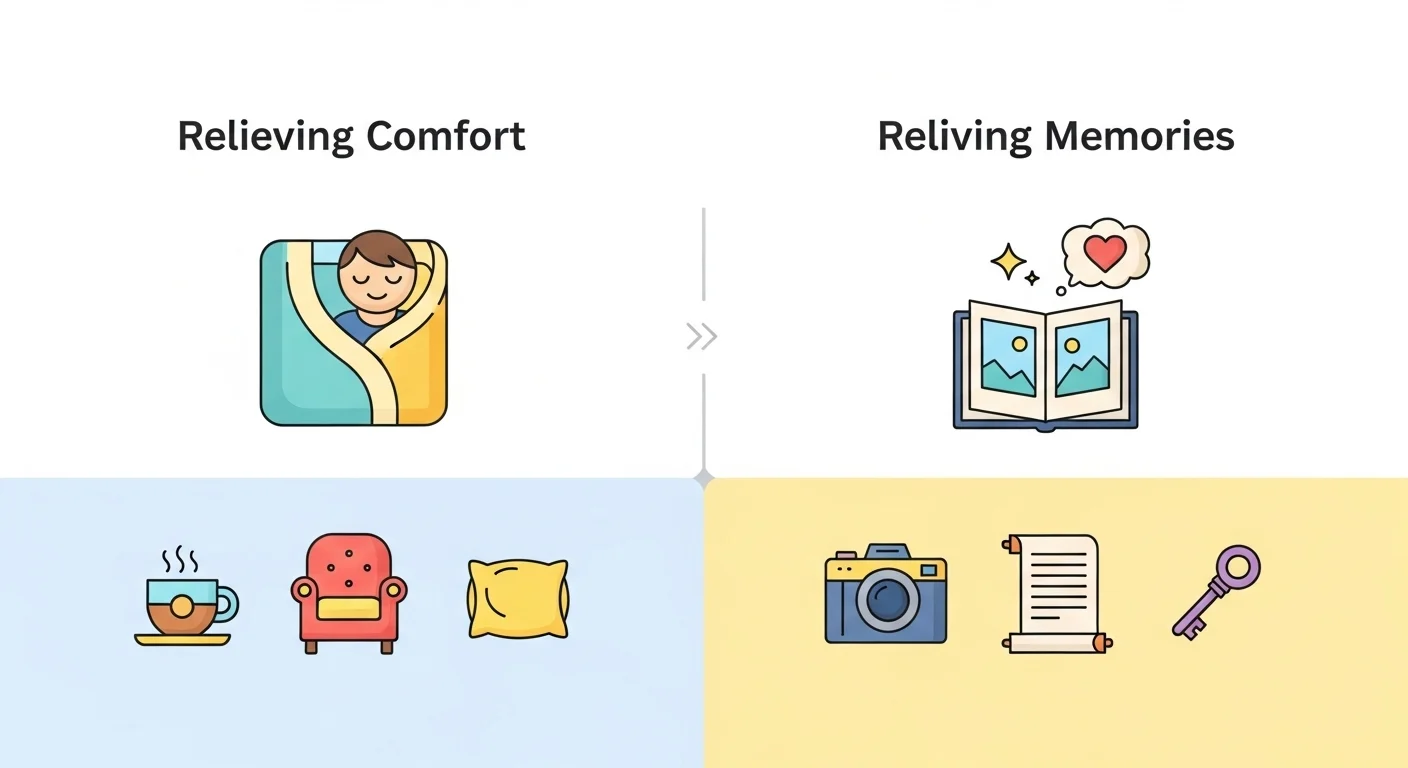
- “Relieving” means reducing pain, stress, or pressure
- “Reliving” means experiencing something again in your mind
- They are not interchangeable
- Always check the context before choosing
Simple Background Explanation
These words come from different base verbs:
- “Relieving” comes from “relieve” (to reduce or ease)
- “Reliving” comes from “relive” (to experience again)
Even though they look similar, their meanings are very different.
Clear Explanation of the Difference
Let’s make it very simple.
“Relieving”
This word means making something better or less painful.
Examples:
- This medicine is relieving my headache.
- Talking to a friend is relieving.
“Reliving”
This word means experiencing something again in your memory.
Examples:
- I am reliving my childhood memories.
- He kept reliving that moment.
So the difference is about easing vs remembering again.
Comparison Table
| Word | Meaning | Type | When to Use |
|---|---|---|---|
| Relieving | Reducing pain, stress, or pressure | Verb form | Comfort or ease |
| Reliving | Experiencing something again | Verb form | Memory or past |
What “Relieving” Means
“Relieving” is used when something reduces discomfort or stress.
Examples:
- The cool air is relieving.
- This exercise is relieving tension.
- The medicine is relieving pain.
It often relates to comfort and ease.
What “Reliving” Means
“Reliving” is used when you go back to a past moment in your mind.
Examples:
- She is reliving her school days.
- He was reliving the happy moment.
- I enjoy reliving old memories.
It often relates to memories and past experiences.
Which One to Use and When
Use “relieving” when:
- Talking about reducing pain or stress
- Talking about comfort
Examples:
- This is relieving my stress.
- The rest was relieving.
Use “reliving” when:
- Talking about memories
- Talking about past experiences
Examples:
- I am reliving that moment.
- She is reliving her childhood.
Easy Trick to Remember
Here is a simple rule:
Relieving = relief
Reliving = live again
Memory tip:
Reliving has “live” inside it
Why People Get Confused
Here are the main reasons:
Similar spelling
Only one letter difference.
Similar pronunciation
They sound very close.
Fast reading
People miss small details.
Different meanings
But used in similar contexts.
Common Mistakes to Avoid
Here are mistakes to watch for:
Using “reliving” for comfort
- This medicine is reliving pain ❌
Using “relieving” for memories
- I am relieving my childhood ❌
Correct vs incorrect examples:
- This is relieving pain ✔️
- This is reliving pain ❌
- I am reliving that memory ✔️
- I am relieving that memory ❌
Everyday Real Life Examples
Here are simple examples from daily life.
In health:
- This medicine is relieving pain.
- The massage is relieving stress.
In memories:
- I am reliving my childhood.
- He is reliving that day.
In daily life:
- The break was relieving.
- She enjoys reliving happy moments.
In conversation:
- This is so relieving
- I am reliving that memory
Easy Learning Section for Beginners
Here is a simple trick:
Ask yourself:
Is it about comfort or memory?
Memory tip:
Relief = relieving
Live again = reliving
Practice sentences:
- This is relieving my stress
- I am reliving my past
- The rest was relieving
Mini exercise:
Fill in the blanks:
- This medicine is ______ pain
Answer: relieving - I am ______ my childhood
Answer: reliving - The rest was ______
Answer: relieving
Frequently Asked Questions
1. What is the difference between “relieving” and “reliving”
“Relieving” means reducing pain, while “reliving” means experiencing again.
2. Can I use them interchangeably
No, they have different meanings.
3. What does “relieving” mean
It means making something easier or less painful.
4. What does “reliving” mean
It means experiencing something again in your mind.
5. Why are they confusing
Because they look and sound similar.
6. Is this mistake common
Yes, very common.
7. How can I remember the difference
Reliving has “live” inside it.
8. Will this mistake affect my writing
Yes, it can change meaning.
Conclusion
The difference between “relieving” and “reliving” is simple once you understand it.
“Relieving” is about comfort and reducing pain.
“Reliving” is about experiencing something again.
Just remember:
Relieving = relief
Reliving = live again
With this simple rule, you can use both words correctly and confidently.