“Yea” and “nay” are short words that can confuse learners because they sound a bit like “yeah” and “no.” Many people mix them up or use them in the wrong situations.
These words are also less common in modern everyday English, which makes them even more confusing.
Let’s make everything simple and clear.
Quick Answer
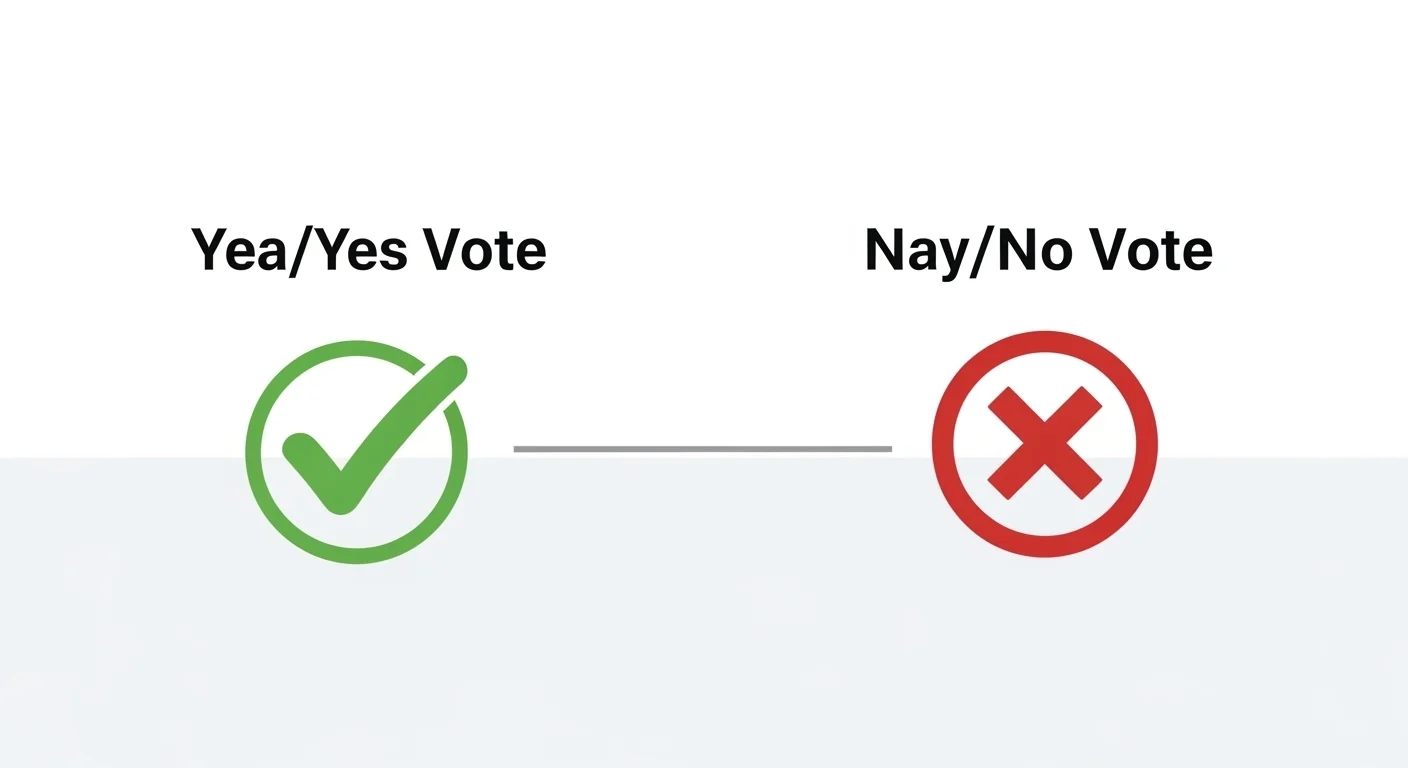
- “Yea” means yes (formal or old use)
- “Nay” means no (formal or old use)
- Both are used in voting or formal speech
- They are not the same as “yeah” and “no” in casual talk
Simple Background Explanation
“Yea” and “nay” come from old English.
- “Yea” was used to mean yes
- “Nay” was used to mean no
Today, they are mostly used in formal settings like voting or traditional speech.
Clear Explanation of the Difference
Let’s make it very simple.
“Yea”
This means yes, especially in formal situations.
Examples:
- All in favor say yea.
- The vote was three yea and one nay.
“Nay”
This means no, especially in formal situations.
Examples:
- All opposed say nay.
- He voted nay.
So the difference is yes vs no in formal use.
Comparison Table
| Word | Meaning | Usage Type | When to Use |
|---|---|---|---|
| Yea | Yes | Formal or old use | Voting or formal speech |
| Nay | No | Formal or old use | Voting or formal speech |
What “Yea” Means
“Yea” is used to show agreement or approval.
It is mostly used in:
- Voting
- Formal decisions
- Traditional language
Examples:
- The members said yea.
- The motion passed with more yea votes.
What “Nay” Means
“Nay” is used to show disagreement or rejection.
It is also used in:
- Voting
- Formal decisions
- Traditional speech
Examples:
- The vote was nay.
- Several members said nay.
Which One to Use and When
Use “yea” when:
- You mean yes in a formal setting
- You are talking about votes
Examples:
- All in favor say yea.
- The result was mostly yea.
Use “nay” when:
- You mean no in a formal setting
- You are talking about votes
Examples:
- All opposed say nay.
- He voted nay.
Easy Trick to Remember
Here is a simple trick:
Yea = yes
Nay = no
Memory tip:
Nay sounds like “no”
Why People Get Confused
Here are the main reasons:
Similar sound
“Yea” sounds like “yeah.”
Rare usage
Not common in daily speech.
Old language
Mostly used in formal or traditional contexts.
Spelling confusion
Easy to mix with modern words.
Common Mistakes to Avoid
Here are mistakes to watch for:
Using “yea” instead of “yeah”
- Yea, I agree ❌ (casual speech)
Using “nay” in normal conversation
- Nay, I don’t want ❌ (sounds unnatural)
Correct vs incorrect examples:
- Yeah, I agree ✔️ (casual)
- Yea, I agree ❌ (unless formal)
- He voted nay ✔️
- He voted no ✔️ (also correct in modern use)
Everyday Real Life Examples
Here are simple examples from daily life.
In voting:
- All in favor say yea.
- All opposed say nay.
In formal settings:
- The decision passed with more yea votes.
- Some members said nay.
In casual speech:
- Yeah, I will go.
- No, I don’t want it.
Easy Learning Section for Beginners
Here is a simple trick:
Yea = formal yes
Nay = formal no
Memory tip:
Nay = no sound
Practice sentences:
- The group said yea
- He voted nay
- All in favor say yea
Mini exercise:
Fill in the blanks:
- All in favor say ______
Answer: yea - All opposed say ______
Answer: nay - He voted ______
Answer: nay
Frequently Asked Questions
1. What is the difference between “yea” and “nay”
“Yea” means yes, while “nay” means no in formal use.
2. Are they used in daily conversation
No, they are mostly used in formal situations.
3. Is “yea” the same as “yeah”
No, “yeah” is casual, while “yea” is formal.
4. Can I use “nay” instead of “no”
Only in formal or traditional contexts.
5. Why are they confusing
Because they sound like modern words.
6. Is this mistake common
Yes, especially for learners.
7. How can I remember the difference
Yea = yes, Nay = no.
8. Will this mistake affect my writing
Yes, it can make your writing sound unnatural.
Conclusion
The difference between “yea” and “nay” is simple.
“Yea” means yes in formal use.
“Nay” means no in formal use.
Just remember:
Yea = yes
Nay = no
With this simple rule, you can understand and use these words correctly.